

Working at a capsule hotel in Tokyo can be an intriguing way to experience the pulse of Japanese hospitality.
For those drawn to travel, unique work environments, or simply curious about Japanese business culture, these roles offer a blend of structure and novelty.
This article unpacks real-world insights for job seekers considering Tokyo’s bustling capsule hotel sector.
If you’re a student, traveler, or anyone searching for reliable hospitality jobs in Japan, this guide offers perspectives not always obvious from job adverts.
You’ll discover opportunities, requirements, and a glimpse into day-to-day realities—plus practical ideas to help boost your earning potential.
What Makes Capsule Hotel Jobs in Tokyo Appealing?
The capsule hotel concept is a uniquely Japanese invention. These compact, streamlined accommodations emerged in the late 1970s and have blossomed, particularly in Tokyo where space is precious.
But beyond their quirky design, they offer job opportunities for both locals and foreigners—some of which can be surprisingly rewarding.
You’ll find capsule hotels near major stations, airports, and business districts, so the work environment often feels lively, even a bit hyper-modern.
Compact But Dynamic Work Setting
Unlike large hotels, capsule hotels focus on efficiency—both for guests and employees. The pace can be brisk, with responsibilities spanning front desk service, cleaning, and sometimes guest guidance.
Still, the smaller footprint means team members often know each other well, and collaboration feels more personal, perhaps even informal at times.
Flexible Shifts and Scheduling
Many capsule hotels operate 24/7. This flexibility in shifts can suit students or working holidaymakers who need to juggle odd schedules or multiple commitments. Night shifts tend to be quieter but require alertness.
Exposure to International Guests
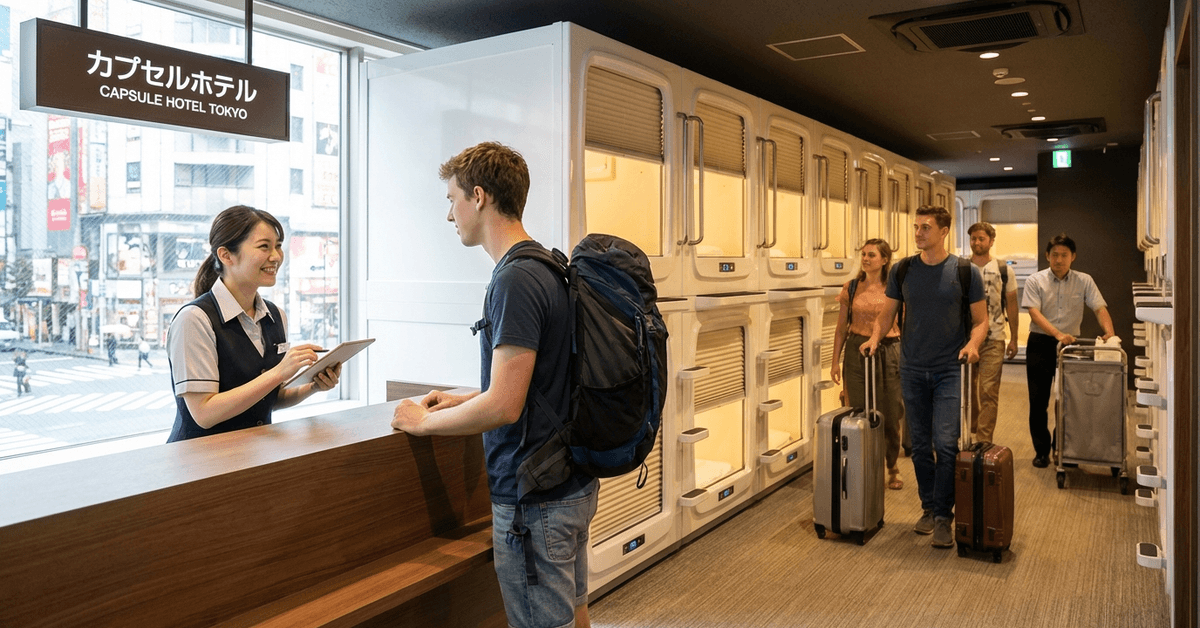
Capsule hotels, especially in Tokyo’s central districts, frequently cater to foreign travelers. Staff with language skills or just cultural curiosity might find conversations and interactions more stimulating here than in other jobs.
Popular Roles at Capsule Hotels in Tokyo
There’s a surprising variety in capsule hotel job roles. While some roles require formal hospitality training, others mostly hinge on reliability and a willingness to learn new routines.
Front Desk and Reception
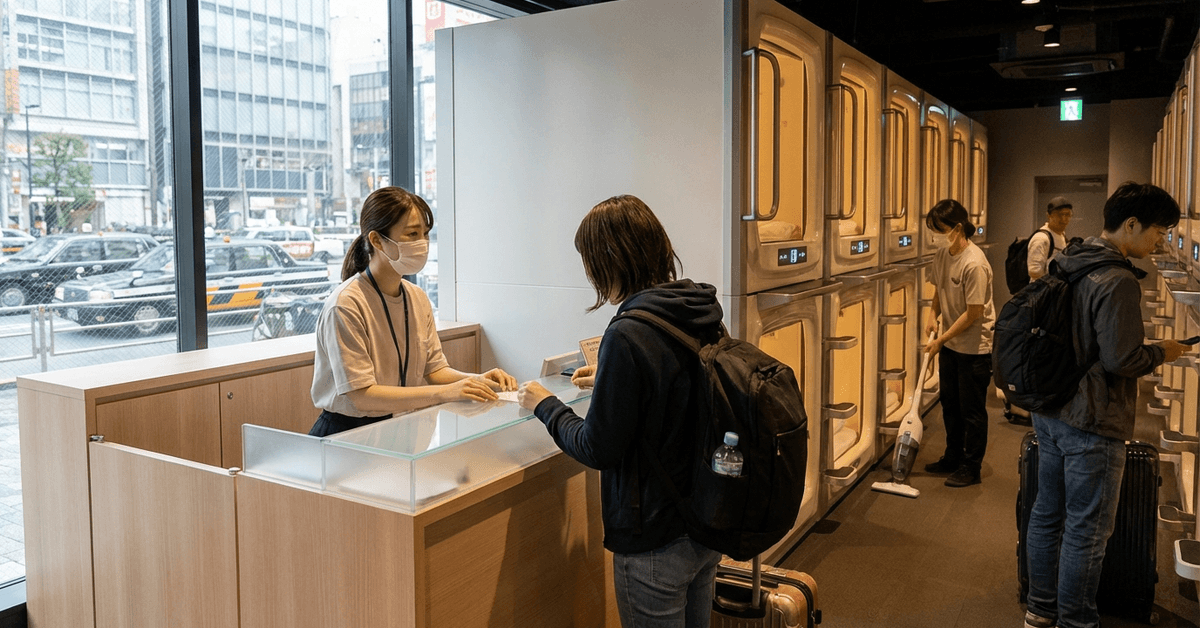
Receptionists are the face of the hotel. This usually includes checking guests in and out, handling basic guest requests, and—at times—managing bookings online or face-to-face.
Basic Japanese is often required, but some international hotels relax this for English speakers.
Housekeeping and Maintenance
Many jobs focus on cleaning capsules, showers, and common areas. Because space is tight, cleanliness standards are strict. Staff are expected to be thorough but quick. Some people find the routines meditative; others might tire of the repetition.
Night Auditor or Security Roles
Those comfortable staying up late (or who already prefer night hours) could find the midnight-to-morning shift rewarding. Duties are mostly reception and patrol, but also dealing with emergencies or resolving late check-ins.
Hospitality and Guest Services
Certain upscale capsule hotels now offer concierge-style assistance: luggage storage, local recommendations, even help with travel apps. Communication skills and a friendly, calm manner help here, though training is usually provided.
Job Requirements and Hiring Criteria
Requirements for capsule hotel jobs in Tokyo vary by employer and role. It’s easy to stumble onto assumptions—some roles look simple but have hidden language or visa requirements. Below is a breakdown based on common experience.
Language Skills
Basic Japanese is expected for most positions. Still, select hotels focused on foreign visitors may hire for English proficiency alone (some list this in their postings).
Intermediate Japanese, along with polite, clear communication, is preferred for front desk roles, while housekeeping may require less spoken interaction.
Work Visas and Eligibility
Japan is strict about legal work status. Most foreigners need a valid working visa, such as a Working Holiday Visa or a Student Visa with proper endorsements. Those on tourist visas cannot work. Employers usually verify your status before an offer.
Professional or Academic Background
Unlike luxury hotels, few capsule hotels demand formal hospitality degrees. They often prioritize punctuality, neatness, and an interest in service. Still, any hospitality experience, even as a part-timer, can set your resume apart.
Personal Traits
Patience, cultural openness, and adaptability matter. Capsule hotel environments can provide both routine and sudden surprises—guests arriving at odd hours, or technical issues with automated systems, are common scenarios.
How to Apply for Capsule Hotel Jobs in Tokyo
Finding capsule hotel jobs often begins online, but some jobs surface through word-of-mouth or direct visits. It all depends on your network and comfort with Japanese job market quirks.
Where to Find Job Listings
- Major websites like GaijinPot Jobs, Indeed Japan, and Hello Work feature frequent capsule hotel positions.
- Capsule hotel brand websites sometimes post direct opportunities (e.g., First Cabin or The Millennials).
- Local universities and guesthouses often share flyers or have internal job boards with short-term roles suited for students.
Application Documents
Resumes (Japanese-style, called rirekisho ) and a short cover letter explaining your interest in hospitality are standard. Nearly all employers will expect recent ID photos attached to your application. These small touches actually matter.
Interview Process
Expect an interview focusing on customer service scenarios, your schedule flexibility, and your interest in Japanese hospitality. Some will check your language skills in practice, too.
The process tends to feel formal, but polite receptiveness is usually valued more than quick answers.
Understanding Pay and Benefits
Talking about pay, capsule hotel salaries in Tokyo usually hover around Japan’s minimum wage or slightly above. The actual amount depends heavily on your experience, language skills, and the hotel’s class.
Average Wage Ranges
- Hourly rates start from roughly 1,100 yen and rise to about 1,500 yen for night shifts or roles at high-end chains.
- Some jobs include overtime pay, though laws restrict excessive hours.
Perks Beyond Salary
- Staff uniforms and on-the-job meals are often included.
- Many capsule hotels offer discounted or even free stays for employees, occasionally at partner branches.
- Certain workplaces subsidize commuting costs, especially if late shifts are involved.
Typical Workday at a Capsule Hotel
Real-life expectations can differ from job advertisements. Adjusting to the rhythm takes time. It’s rarely glamorous, but there’s a sense of teamwork that seems to run deep here—perhaps more than you might expect in big chain hotels.
Morning and Day Shifts
Staff kick things off with guest check-outs, restocking amenities, and a rapid routine of cleaning. Tokyo mornings are surprisingly busy as business travelers depart. Midday, there’s downtime—but it rarely stretches for long.
Evening and Overnight Shifts
Evening teams oversee check-ins, answer questions, sometimes flag odd behavior, and handle cleaning of bathrooms and common areas.
Overnight can be routine, but emergencies—like late arrivals or system errors—do arise. It’s rarely boring, even if it is repetitive sometimes.
Tips for Succeeding in a Capsule Hotel Job
Adapting to capsule hotel jobs in Tokyo isn’t always straightforward, even for seasoned workers. Here are a few ideas that people (myself included) have found useful—though not every tip works for everyone.
- Brush up on simple Japanese hospitality phrases, as even brief greetings set a welcoming tone.
- Avoid guessing answers—guests appreciate honesty, and it’s common to check information on the spot.
- Look for chances to cross-train: someone covering both reception and cleaning can sometimes earn more.
- Keep conversations friendly but concise, as many guests are in a hurry or prefer minimal interaction.
- If handling late shifts, ensure a good sleep routine… easier said than done, perhaps. Still, being well-rested goes a long way.
Legal, Tax, and Work Considerations
The legal aspects of working at a capsule hotel in Tokyo aren’t always top of mind for applicants. Yet, overlooking them can lead to trouble later. Japan’s labor laws favor employees in some ways but also set clear boundaries.
Visa and Contract Status
Staying within your visa work hour limits is crucial. For students, this is typically a maximum of 28 hours per week during school terms, but up to 40 hours in vacation periods—always best to check the latest with immigration offices directly.
Payment and Taxes
Salaries are usually paid monthly, directly to your Japanese bank account. Taxes are often withheld at source.
Make sure to keep payslips and review any deductions each month. At year-end, you may be eligible for a minor tax refund, depending on your income and resident status.
Workplace Regulations
Capsule hotels follow basic Japanese labor law, including paid leave and overtime. Still, some smaller employers may not always communicate these rights clearly—so cautious questions on your first day are hardly out of place.
Future Prospects and Learning Opportunities
Many start capsule hotel jobs for financial reasons or out of curiosity, but some discover a genuine path into hospitality.
Roles at these hotels can serve as gateways to larger hotels, tourism companies, or even management opportunities within the industry.
You might not expect career revelations, yet working alongside diverse guests and staff reveals valuable skills—cross-cultural communication, crisis management, time management.
At the very least, most people leave with a handful of stories and a deeper appreciation for the details of everyday life in Tokyo.
Conclusion
Capsule hotel jobs in Tokyo provide a unique opportunity to work, earn, and thrive in Japan’s innovative hospitality sector, offering valuable experience, cultural insight, and career growth in a dynamic environment.