

Uniqlo part-time jobs in Japan attract thousands hoping to experience work at one of Asia’s best-known retailers.
Whether a student, a traveler, or a local resident searching for extra income, there’s appeal in joining Fast Retailing’s energetic teams—offering flexibility and insight into Japan’s retail sector.


For those curious about how to enter, what’s involved, and how to maximize the opportunity, this guide lays it out in simple, realistic steps.
This article aims to help job seekers—especially non-Japanese speakers—understand the process of landing part-time roles at Uniqlo in Japan.
Insights presented here may also help anyone keen on Fast Retailing’s broader culture or retail job market trends.
Ultimately, knowing more about the company’s recruitment style can save candidates time and effort as they weigh their short-term and long-term employment goals.
Why Uniqlo Part-Time Jobs Attract Interest
Competitive hourly wages, a stable work environment, and a chance to practice Japanese are just some benefits that Uniqlo roles provide.
Fast Retailing’s reputation for employee development draws applicants of all ages—sometimes those only seeking a stopgap, other times people building serious retail careers.
Flexible Shifts and Customizable Schedules
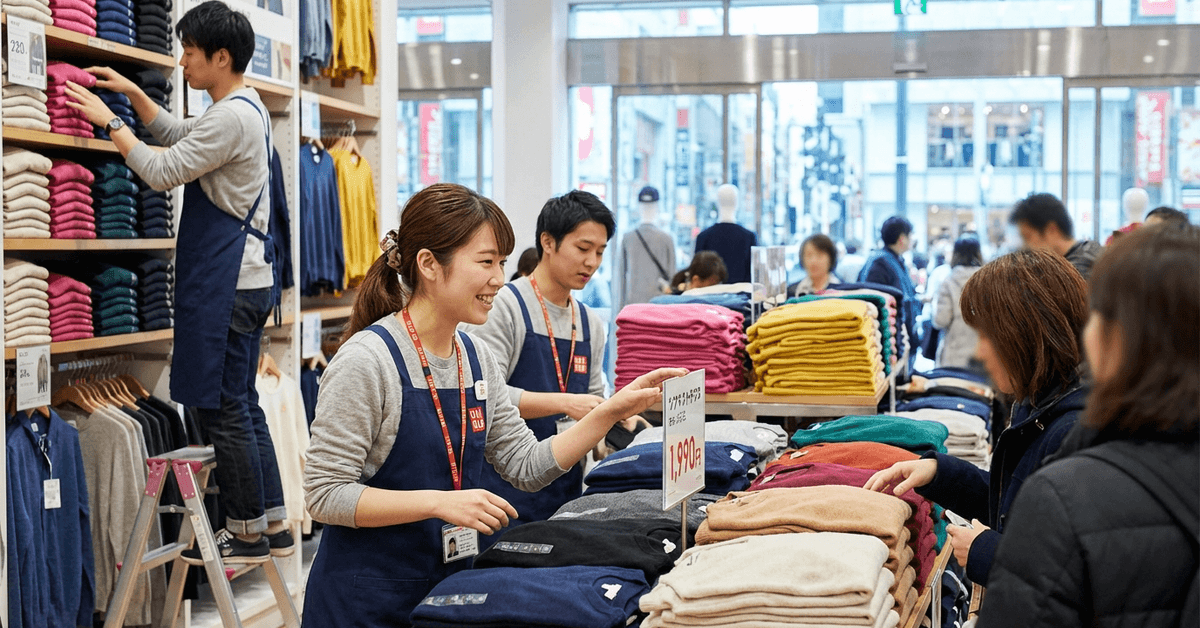
Uniqlo locations, especially inside shopping malls or busy districts, typically offer shift choices that suit students and parents.
Not every branch is equally flexible, but many value staff who can adapt when needed—perhaps pitching in during seasonal sales or holidays at short notice.
Consistent Work Culture and Training
Fast Retailing emphasizes clear expectations from the start. New part-timers may be surprised at the formal onboarding, covering both customer service skills and business processes.
Some find the communication style overly structured, yet this helps build confidence, especially for those new to retail or Japan’s business etiquette.
Opportunities for Language and Skill Building
While some positions require conversational Japanese, many staff discover their language skills improving faster than expected.
It’s not just language, either; Uniqlo’s approach to productivity and teamwork can be an eye-opener for anyone used to less structured work environments.
Types of Uniqlo Part-Time Jobs in Japan
There’s a variety of roles available, each with unique expectations. Not all are strictly retail, and applicants can often express preference or rotate between tasks over time.
- Sales associate – Most common, covering everything from greeting customers and folding merchandise to handling cash registers.
- Stockroom and logistics support – Tasks involve unpacking new inventory, restocking floor displays, and basic back-office support.
- Fitting room attendant – Assisting customers, maintaining cleanliness, and managing queues.
- Cleaning or store maintenance – Ensuring facilities are guest-ready.
Each store may combine or split responsibilities differently. Some part-time contracts may start with easier backroom work, only moving into customer-facing roles after a trial period, especially if a candidate’s Japanese skills are developing.
Eligibility and Job Requirements
Eligibility varies slightly by location, but several conditions appear consistently across Uniqlo’s job postings. Individuals unsure if a specific store accepts their profile can usually check requirements on the official Fast Retailing Japan careers page.
Minimum Age and Educational Background
Most stores require applicants to be 18 or above, although this is sometimes flexible for weekend-only staff or school holidays. Proof of enrollment or graduation is occasionally requested, but not always mandatory.
Visa Status for Foreign Citizens
Those seeking part-time jobs in Japan while on a student or working holiday visa need to be aware of legal work hour limits. The store typically requests a copy of your "Permission to Engage in Activities Other than That Permitted" (資格外活動許可).
Japanese Language Expectations
Language requirements fluctuate by store location and clientele. Tourist-heavy branches may accept lower fluency, but most seek at least basic conversational Japanese for safety and customer service.
For reading tasks—like safety warnings or labeling—a rudimentary level of written Japanese is often assessed during interviews.
How to Apply: Step-by-Step Guide
Applying for Uniqlo part-time jobs in Japan generally follows a streamlined process, though a few quirks can trip up first-timers. Online applications have become more common, but walk-in approaches are still practiced at many branches.
1. Research Suitable Uniqlo Locations
Before applying, it’s wise to identify locations convenient to your home or school. It’s not unusual for applicants to prefer stores in transport hubs due to shorter commute times, and some branches are historically friendlier to international staff.
2. Prepare and Submit Your Application
Applications are available via the Fast Retailing Careers website. Most require uploading a simple resume and contact information.
Typical details include education, visa status (if relevant), availability, and preferred location. A short statement about motivation or retail experience often helps but isn’t always required.
3. Attend an Interview or Group Information Session
The typical next step is an interview—in-person or occasionally online. Some stores start with a group information session, introducing applicants to company culture and assessing communication skills in real-time.
Questions rarely feel confrontational, though candidates may be asked about specific scenarios or language skills.
4. Receive and Confirm Your Offer
Successful candidates usually hear back within a week or two. The final onboarding stage often involves reference checks and document submission (like bank account and ID copies).
Some regretfully note delays if hiring managers change schedules, so a bit of patience is needed at this stage.
What to Expect After Being Hired
Being hired at Uniqlo doesn't mean instant independence. New hires go through a probation and induction phase, where tasks start simple—perhaps just folding T-shirts or helping with restocking.
Over time, more responsibility (like customer queries or till operation) is introduced. Some appreciate the gradual pace, while others may find it restrictive if looking for variety right away.
- Initial training on safety and etiquette
- Shadowing experienced staff across several shifts
- Regular feedback and performance assessments
Work hours are tracked carefully. Many part-timers receive rosters a week in advance, but last-minute changes can happen in busy seasons or when covering for other staff.
Pay Rates and Benefits for Uniqlo Roles
Hourly wages vary by city, but Uniqlo jobs tend to pay just above the regional minimum wage. Tokyo and Osaka locations may offer a premium compared to rural branches.
Part-time staff are eligible for transport allowances and, after a certain number of days worked, might access employee discounts or uniform provisions.
| Region | Typical Hourly Wage (JPY) |
|---|---|
| Tokyo | 1,150–1,300 |
| Osaka | 1,050–1,250 |
| Other areas | 900–1,100 |
Bonuses and overtime pay comply with Japanese labor law. Staff sometimes mention opportunities for higher pay during special events or store openings.
Working Hours, Contracts, and Flexibility
Contracts for Uniqlo part-time work usually specify a minimum number of hours per week—sometimes as low as 10 or 12.
There’s potential to negotiate this in the interview if you have special circumstances (like limited student visa hours), though not all managers are equally flexible. Shift patterns often run in 4-8 hour blocks, covering both weekdays and weekends.
Handling Shift Requests and Absences
Shift swapping is allowed, but notice is essential. Emergencies do arise, but habitually missing work affects future scheduling preferences. Some stores use digital shift management apps, whereas smaller locations may handle this with paper or phone.
Tips for Standing Out as an Applicant
Competition for roles can be tough, especially near major stations or shopping centers. Some applicants get called up quickly, others might wait. The reasons aren’t always clear. But based on staff feedback, here are a few things that seem to help:
- Mentioning previous retail, hospitality, or teamwork experience.
- Demonstrating flexibility about shifts—even if only on weekends or holidays.
- Articulating a specific interest in Fast Retailing’s values or approach.
- Displaying a positive attitude, even when speaking in imperfect Japanese.
Curiosity about retail technology or fashion can also be a plus, but isn’t essential—you don’t have to be trendy to succeed at Uniqlo.
Common Challenges and Realistic Expectations
No role is perfect. Some part-timers comment on the strict pace and expectations at Uniqlo—mistakes are noticed, and managers can be direct.
Others find schedules less predictable than expected, particularly during big sale periods or flu season absences.
For the most part, though, staff turnover is lower than in other retail chains. It may not suit everyone, but for those who value structure and skill development, Uniqlo often delivers.
Conclusion
Uniqlo part-time jobs in Japan offer flexible work opportunities with Fast Retailing, enabling employees to gain retail experience, develop skills, and enjoy a supportive environment while balancing work and personal commitments.