

A shortage of local labor, steady tourism, and strict hygiene standards have made cleaning one of Japan’s most accessible career paths for international applicants.
The guidance below translates those market realities into practical steps, helping you decide if housekeeping, factory sanitation, or office maintenance suits your goals, and showing exactly how to land a role without lengthy experience requirements.


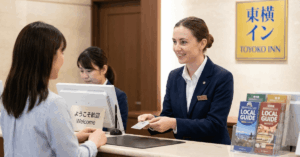
Cleaning Roles in Japan Are Increasing
You gain reliable income, fast onboarding, and a chance to explore Japanese work culture without investing years in specialized training.
Employers facing staff shortages value attitude over résumés, making the sector ideal when you need immediate employment or a bridge into the broader Japanese job market.
Labor Shortage Fuels Demand for Foreign Workers
Japan’s aging population shrinks the domestic workforce every year, leaving hotels, factories, and office managers scrambling for dependable cleaners.
Legislation such as the Specified Skilled Worker (SSW) visa streamlines hiring from abroad, and companies often sweeten compensation or add language support to stay competitive.
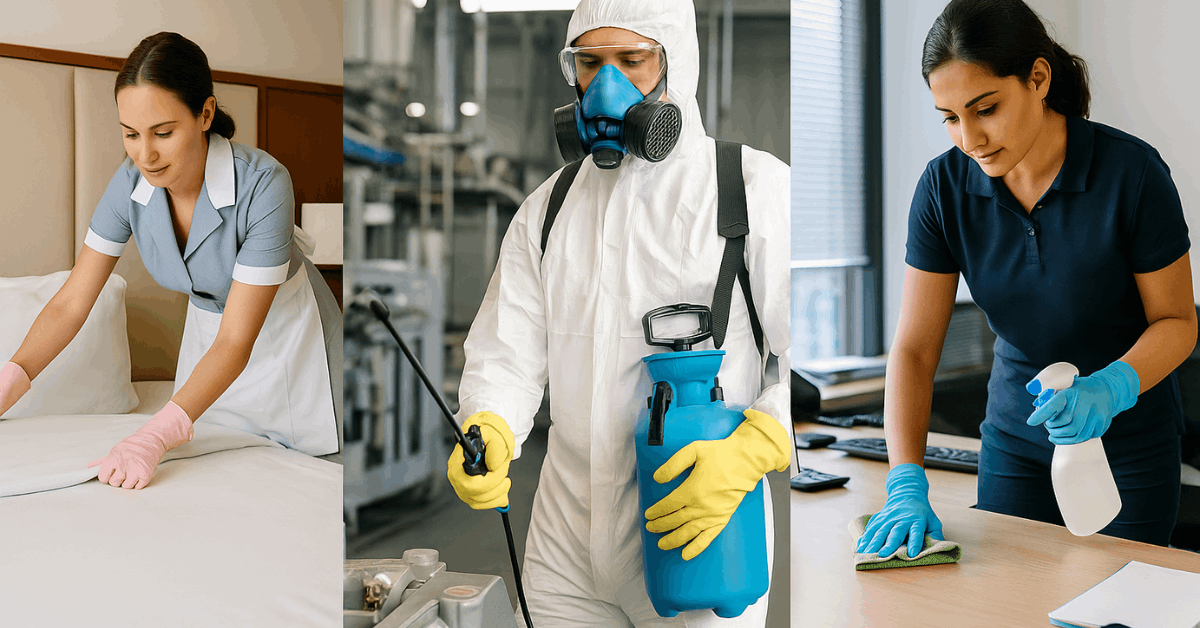
Core Cleaning Sectors and Typical Duties
A clear understanding of daily tasks prevents surprises once you start your first shift.
Hotel Room Attendant:
- Primary focus: Guest rooms, bathrooms, corridors
- Key tasks: Change linens, restock amenities, sanitize high-touch areas, report lost items
- Shifts: Usually between 9 AM and 3 PM, matching check-out schedules
- Physical demand: Continuous bending, lifting linen carts, strict timing per room
Factory Sanitation Crew:
- Primary focus: Production floors, equipment zones, staff facilities
- Key tasks: Sweep debris, mop spills, disinfect machinery guards, remove waste safely
- Shifts: Fixed blocks; night shifts common for deep cleans during production downtime
- Physical demand: Heavy-duty cleaning tools, mandatory safety gear, repetitive motion
Office Cleaner:
- Primary focus: Workstations, meeting rooms, restrooms
- Key tasks: Vacuum carpets, dust surfaces, empty bins, refill consumables
- Shifts: Early morning or post-business hours to avoid staff disruption
- Physical demand: Moderate; lighter than hotels or factories
Additional Venues
Shopping malls, hospitals, universities, and event halls also recruit cleaners. Each setting adds unique rules—hospitals require stricter infection control, while mall teams work around constant foot traffic.
Entry-Level Roles and Long-Term Growth
Starting positions concentrate on routine tasks, yet consistent performance opens doors to supervisory posts, training roles, or specialized functions such as floor-care technician or inventory controller. Many employers raise hourly pay once you master safety protocols, equipment handling, and basic Japanese communication.
Minimum Qualifications and Skills
A short investment in essential skills raises success rates and salary ceilings.
- High school completion: Not mandatory everywhere, yet it improves hiring odds and future promotions.
- Willingness to learn: Supervisors train you on chemicals, tools, and quality checks; adaptability shows commitment.
- Basic Japanese: Even conversational phrases boost cooperation with co-workers and speed up orientation, though several firms accept beginners and subsidize language courses.
Work Visa and Legal Requirements
You need legal permission to earn wages in Japan. The SSW visa covers building cleaning under category one and demands:
- A job offer from a Japanese employer registered for SSW sponsorship.
- Either a basic Japanese test (N4 level) or an employer-provided language plan.
- Proof of relevant skills—often satisfied through employer training or simple assessments.
Student visa holders or dependents can also work part-time after securing the appropriate “Permission to Engage in Activity Other Than That Permitted” stamp. Always confirm hours allowed per week to avoid penalties.
Salary and Benefits Snapshot
Hourly pay varies by region, facility type, and shift timing. Use these benchmarks when evaluating offers:
| Role & Location | Typical Range (JPY/hr) | Extras You Might Negotiate |
| Residential Cleaner, Tokyo | 1,000 – 1,200 | Transportation stipend, uniform allowance |
| Commercial Cleaner, Osaka | 900 – 1,100 | Attendance bonuses, health checks |
| Industrial Cleaner, Nagoya | 1,100 – 1,300 | Night-shift premium, safety gear provided |
| Hotel Room Attendant, Kyoto | 950 – 1,150 | Meal discounts, free language classes |
| Public Space Cleaner, Sapporo | 850 – 1,000 | Winter clothing subsidy |
| Hospital Cleaner, Fukuoka | 1,000 – 1,200 | Vaccination coverage |
| Window Cleaner, Hokkaido | 1,100 – 1,400 | Height-work hazard pay |
| Event Venue Cleaner, Tokyo | 1,000 – 1,200 | Overtime for post-event turnaround |
Where to Find Job Listings
Your search strategy should combine online tools, local resources, and direct networking for faster results.
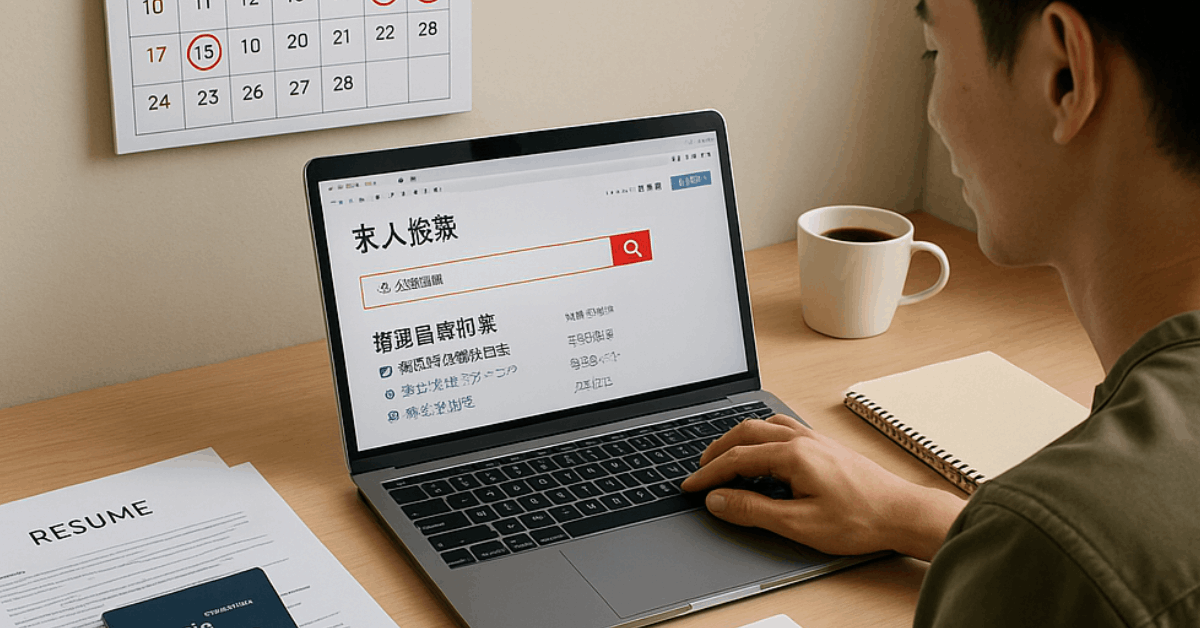
- GaijinPot Jobs: English interface, filter by visa sponsorship.
- Jobs in Japan: Includes part-time and irregular-hour postings.
- WORK JAPAN app: Mobile-first, shows proximity listings and wage estimates.
- Craigslist Japan: Occasional gigs; verify employer credibility carefully.
Hello Work (government-run) and multiple Haken agencies maintain ties with cleaning contractors. Many offices feature multilingual staff who guide you through interviews and paperwork.
Bulletin boards in supermarkets or community centers often advertise immediate openings. Regular conversations with property managers or hotel HR departments unlock hidden vacancies before they appear online.
Step-By-Step Application Roadmap
A structured approach keeps documents organized and shows recruiters you respect Japanese workplace precision.
- Research openings matching your preferred shift, location, and pay.
- Customize your résumé to highlight reliability, teamwork, and any cleaning or hospitality background.
- Compose a concise cover letter explaining why you enjoy maintaining hygienic environments and how your adaptability benefits the employer.
- Collect documents—passport copy, visa eligibility, certificates, and reference contacts.
- Submit applications via email or the employer’s form; attach files in PDF to preserve formatting.
- Follow up politely after one week if no response appears. Demonstrate enthusiasm without being pushy.
- Prepare for interviews by learning relevant Japanese phrases (e.g., “mokuhyō” for target, “anzen” for safety). Practice describing tools and routines.
- Attend the interview early, wearing neat business-casual attire, and showcase punctuality, an attribute deeply valued in Japan.
- Review offers carefully—confirm hourly rate, shift pattern, paid leave, health insurance, and visa sponsorship terms.
- Complete visa procedures or part-time work permission before your first day on-site.
Top Employers Actively Hiring Cleaners
You increase hiring chances by targeting firms known for onboarding global talent:
- Duskin Co., Ltd. — nationwide commercial contracts, structured training modules.
- ISS Facility Services Japan — strong compliance culture, multilingual supervisors.
- OCS Group Japan — specialization in industrial sanitation- offers safety certifications.
- Clean & Green Corporation — eco-friendly products, marketing appeal for sustainability-minded workers.
- Bears Co., Ltd. — domestic and corporate clients, flexible trial periods before long-term commitment.
Large general contractors—Shimizu, Kajima, Taisei—also outsource janitorial services and may list openings on their corporate career pages.
Cultural Integration and Workplace Success
Success hinges on fitting into the meticulous, team-oriented Japanese work style.
- Arrive ten minutes early to show respect for colleagues’ schedules.
- Announce entry and exit with a clear “ohayō gozaimasu” and “otsukaresama deshita,” reinforcing group harmony.
- Handle supplies carefully; treat company tools as communal property, cleaning them after use.
- Track quality metrics—many supervisors run checklists; double-check your area before sign-off.
- Accept feedback calmly, treating corrections as skill upgrades rather than criticism.
Cconclusion
Demand for dedicated cleaners across Japan shows no sign of slowing, and employers welcome worldwide applicants who bring energy, reliability, and a willingness to learn basic Japanese.
Your next shift could be the gateway to stable income, improved language skills, and long-term career progression in a country that prizes cleanliness as a core social value.