

A late-night conbini run turns into a thought. The staff behind the counter look calm, the work looks manageable, and a Seven-Eleven part-time job starts sounding like a real option.
That thought hits foreign students in Japan harder than anyone. Rent is due, the schedule is messy, and the Japanese on your resume still feels thin.

Seven-Eleven has over 21,000 stores across Japan. Odds are good that one near your station is hiring right now. But "accessible" and "worth your time" are two different questions.
This is what the hiring process, the shifts, and the daily grind at a Seven-Eleven part-time job in Japan look like up close in 2026.
What a Typical Shift at Seven-Eleven Looks Like
Conbini work gets described as "easy" online, and that framing hides how varied the job gets hour to hour. The tasks change depending on when your shift falls, and that's the part first-timers underestimate.
Morning Shifts (6:00 AM to 9:00 AM)
Mornings are fast. Commuters grab onigiri, coffee, and cigarettes in rapid succession. Register speed matters here more than friendliness. The store also receives its first delivery of the day, so stocking shelves while handling a line of customers is normal.
Afternoon and Evening Shifts
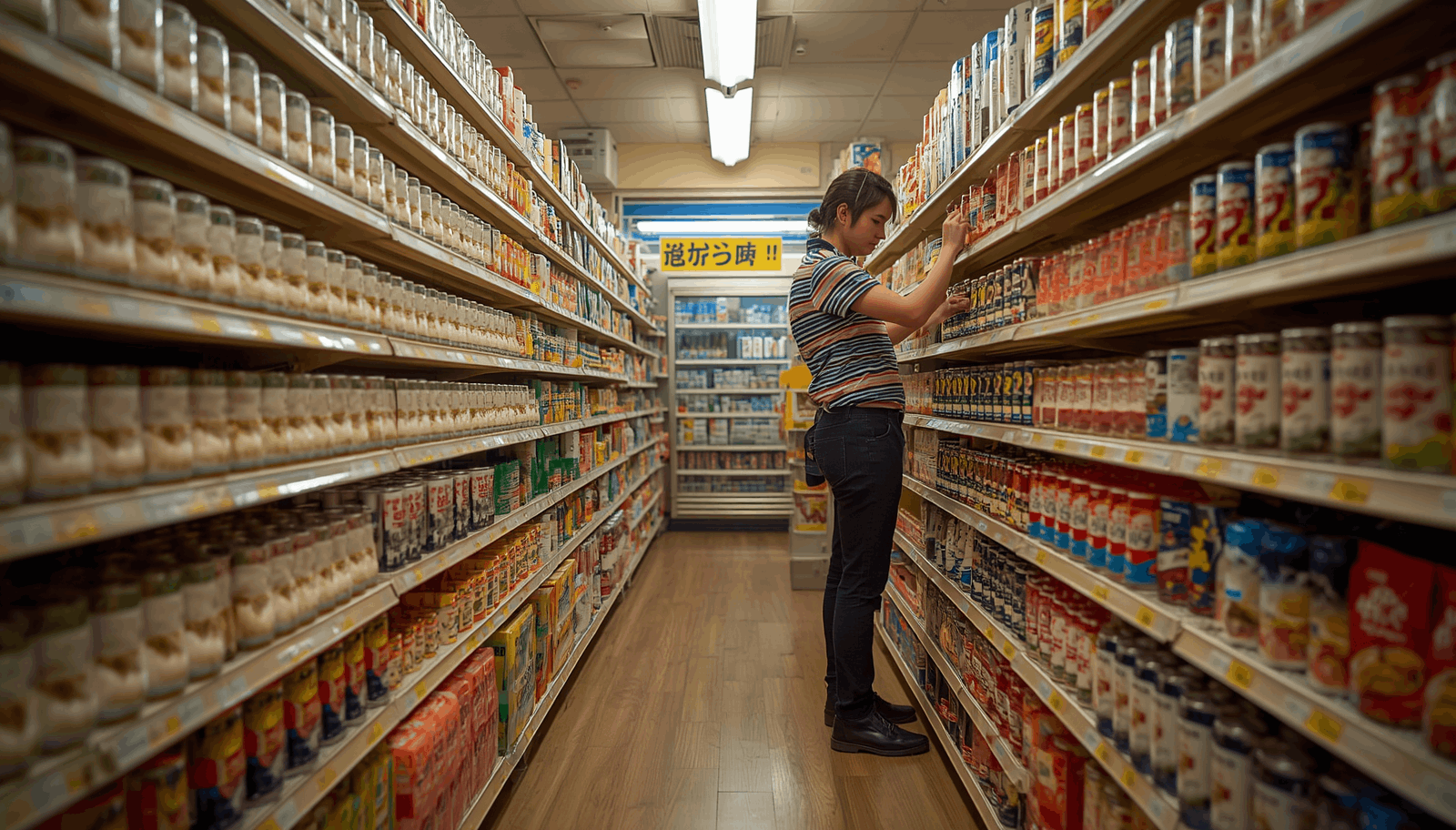
Traffic slows between 2:00 PM and 5:00 PM, then spikes again around dinner. These hours tend to include more cleaning duties, restocking the hot food case (oden, nikuman, fried chicken), and checking expiration dates on bento.
I would pick afternoon shifts at Seven-Eleven over morning shifts if Japanese fluency is still developing, because the pace gives more breathing room during customer interactions.
Late Night and Overnight (22:00 to 5:00)
Overnight shifts carry a higher hourly wage under Japanese labor law. The pay bump applies to all work between 22:00 and 5:00.
Fewer customers walk in, but the tasks pile up: floor mopping, deep cleaning the coffee machines, receiving large deliveries, and resetting displays. The trade-off is real. Better pay, heavier physical work, and a wrecked sleep schedule.
How to Apply for a Seven-Eleven Part-Time Job
The application process is short, but the steps trip up people who don't prepare. A little front-end effort saves a lot of awkward interview moments.
The Official Recruitment Portal
Seven-Eleven runs a recruitment site at ptj.sej.co.jp with listings filtered by region and shift type. Job boards like TownWork and HelloWork also carry Seven-Eleven listings, sometimes with more detail on the specific store.
I think walking into a store directly and asking if they're hiring beats the online portal, because the website often shows positions that have already been filled or stores that aren't actively looking.
A printed rirekisho (Japanese resume) handed to the store manager on a quiet weekday afternoon makes a stronger first impression than a digital form sitting in a queue.
Eligibility for Foreign Nationals
The hiring requirements are simple but non-negotiable:
- Minimum age of 16 years old
- A valid visa status that permits part-time work (student visas allow up to 28 hours per week during school terms)
- Basic conversational Japanese, though some stores near tourist areas or university districts have lower fluency requirements
- A residence card (zairyu card) shown at interview or onboarding
Preparing a Rirekisho
Templates are sold at any 100-yen shop (Daiso, Seria) and downloadable online. Keep entries short and honest. Listing "currently studying at [university name]" plus any prior work counts. Blank work history sections are fine for students. Interviewers expect it.
The Interview Itself
Expect 10 to 15 minutes, usually in the store's back office. The manager will ask about your available days, how long you plan to stay in the area, and whether night shifts are an option.
Cash handling experience helps, but lack of it rarely disqualifies anyone. Wear clean, simple clothes. A suit is overkill.
Pay, Taxes, and the Income Ceiling Trap
Wages at Seven-Eleven follow the minimum wage of the prefecture where the store operates.
Tokyo's minimum wage sits above 1,100 yen per hour in 2026. Rural prefectures pay less, sometimes closer to 950 yen. Night shifts add a 25% premium on top of the base rate.
The 1,030,000 Yen Threshold
This is the number that nobody explains well enough. Foreign students on dependent status or receiving family financial support should track annual earnings carefully.
Earning above 1,030,000 yen per year can push a student out of a parent's or spouse's tax deduction. Cross 1,300,000 yen, and health insurance costs shift onto the student directly.
The math on a 28-hour weekly cap and a 1,050 yen hourly rate puts annual earnings around 1,528,800 yen if every week is maxed out.
That already clears both thresholds. So working fewer hours during some months, or tracking cumulative pay on a spreadsheet, prevents surprise tax bills in February.
Tax Withholding and Filing
Seven-Eleven withholds income tax from each paycheck automatically.
Students earning under the annual exemption threshold can file for a refund at the tax office (zeimusho) after the fiscal year ends in March. The National Tax Agency website has filing guides in English, Chinese, and Portuguese.
Seven-Eleven vs Lawson vs FamilyMart for Part-Time Work
Every article on conbini jobs in Japan lines up the three big chains and compares them on surface-level criteria. The comparison is useful, but it misses the single biggest variable: the franchise owner.
| Criteria | Seven-Eleven | Lawson | FamilyMart |
|---|---|---|---|
| Store count (Japan) | ~21,000 | ~14,600 | ~16,500 |
| Training structure | Standardized modules, typically 3 to 7 days | Varies by owner | Varies by owner |
| Night shift premium | 25% (labor law minimum) | 25% (labor law minimum) | 25% (labor law minimum) |
| Uniform provided | Yes | Yes | Yes |
| English-friendly stores | Limited, mostly tourist areas | Limited | Limited |
The hourly wage, the night premium, and the uniform policy are identical across all three chains because Japanese labor law sets the floor. The difference shows up in how the franchise owner runs the store.
A strict Seven-Eleven owner and a relaxed Lawson owner produce completely different work environments. So picking a chain based on brand reputation alone misses the point.
Why the Store Location Matters More Than the Chain Name
A Seven-Eleven near a train station in Shinjuku will be relentlessly busy. The same chain near a residential area in Chiba will have calm weekday afternoons.
Shift intensity, customer volume, and even the likelihood of dealing with drunk late-night customers all depend on geography, not the logo on the building.
If possible, visit the store during the shift time you'd want to work. Watch the staff. Are they rushing or calm? That 5-minute observation tells more than any job listing.
Training and Surviving the First Two Weeks
The training period at Seven-Eleven runs between 3 and 7 days, depending on the store. A senior staff member (often called a senpai) walks new hires through register operations, greeting scripts, and the cleaning rotation.
Mistakes during the first week are expected. The register system has dozens of buttons for different payment methods: cash, IC cards (Suica, Pasmo), QR payments (PayPay, LINE Pay), and bill payments for utilities. Nobody memorizes all of it on day one.
A few things make the learning curve less steep:
- Carry a small notebook and write down the steps for tricky transactions like bill payments and lottery ticket sales
- Practice the greeting phrases (irasshaimase, arigatou gozaimashita) until they feel automatic
- Ask the senpai to show you the process once more if something doesn't click. Asking twice beats making the same mistake twice
- Learn the expiration check routine early, because throwing out expired food on schedule is one task managers watch closely
Questions People Ask About Seven-Eleven Part-Time Jobs in Japan
Q: Can I work at Seven-Eleven in Japan without speaking Japanese? Some stores near universities or tourist spots hire staff with minimal Japanese, but the default expectation is basic conversational ability. Register prompts, customer greetings, and instructions from managers are all in Japanese, so picking up common phrases before applying helps.
Q: How many hours per week can a student work at Seven-Eleven? Student visa holders are limited to 28 hours per week during school terms. During official school breaks (spring, summer, winter), the cap rises to 40 hours per week. Going over the limit risks visa renewal problems, and immigration does check.
Q: Does Seven-Eleven pay weekly or monthly? Payment is monthly at almost all franchise locations, deposited directly into a Japanese bank account. The specific pay date varies by store, but the 15th or 25th of the following month is common.
Q: Is it hard to quit a Seven-Eleven part-time job? Giving two weeks' notice is the legal minimum. The polite and practical approach is one month's notice, especially if the store is short-staffed. Ghosting or quitting without warning burns the reference and can complicate future job searches.
Q: Do Seven-Eleven part-time workers get discounts on food? There is no company-wide employee discount at Seven-Eleven Japan. Some franchise owners let staff take unsold food items nearing expiration, but this varies completely by store. Don't count on it as a benefit.
Conclusion
Seven-Eleven part-time jobs in Japan offer flexible hours and a low barrier to entry for foreign students. The franchise owner and store location shape daily work life more than the chain itself.
Tracking income against the 1,030,000 yen threshold prevents costly tax surprises down the line. Pick the store, not the brand, and the job becomes a lot more manageable.