

Working at FamilyMart, one of Japan’s largest convenience store chains, has become a common starting point for foreigners looking to experience everyday life in Japan.
Whether a student, traveler, or long-term resident, a part-time job at FamilyMart can offer stable income and cultural immersion.
If English isn’t your first language or you’re new to Japanese workplaces, some aspects might seem intimidating. But understanding the basics helps make the experience far more approachable.
Why Consider Part-Time Jobs at FamilyMart?
FamilyMart part-time jobs are popular for more than just the paycheck. There are a few unique benefits that stand out to foreigners in Japan.
Flexible Shifts and Consistent Hours
Many branches are open 24 hours, which provides shift choices throughout the day and night. Students or those with other commitments will find it easier to fit the job around their schedules. Not every employer can offer morning, day, and evening slots.
Cultural Immersion and Language Learning
Perhaps a bit unexpectedly, working with regular customers and Japanese staff allows foreigners to practice everyday Japanese.
There is sometimes a fear that convenience stores are too fast-paced, but most report finding it manageable, and helpful for picking up local customs.
Reasonable Requirements
Unlike many corporate positions, most FamilyMart jobs don’t require advanced degrees or deep experience.
This makes the entry barrier relatively low, but does not mean there are zero expectations. Some basic communication skills are, of course, needed.
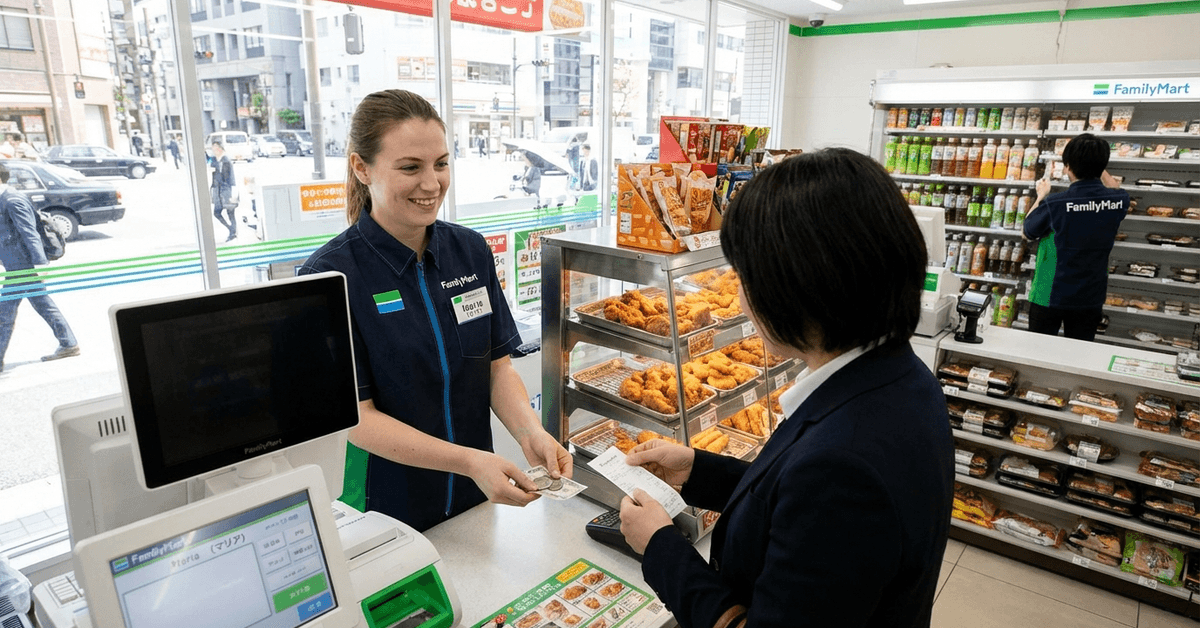
Can Foreigners Legally Work at FamilyMart?
Japan’s work laws around foreigners can be complex. In general, it’s necessary to hold a valid visa that allows employment.
Students with "permission to engage in activity other than that permitted under the status of residence previously granted" can also work part-time (up to 28 hours per week).
Typical Eligible Visa Types
- Student visa (with proper work permission)
- Spouse or dependent visa
- Working holiday visa
- Permanent resident
- Long-term resident
The visa status must allow remuneration. Individuals with tourist visas are not permitted to work, and doing so could result in severe penalties.
What Are the Main Duties at FamilyMart?
Day-to-day tasks at FamilyMart stores are fairly universal across most locations, with training provided for new staff. Foreigners are typically expected to manage the same roles as Japanese colleagues after a brief training period.
Core Responsibilities
- Operating the cash register (register training is provided)
- Handling payments and providing change
- Stocking shelves and restocking popular items
- Cleaning and keeping the front area tidy
- Making simple food items (like hot snacks or coffee)
- Assisting customers and answering questions
There can be rare requests such as package shipments or accepting bill payments, but these are introduced gently as one gets familiar.
How to Apply for a FamilyMart Part-Time Job as a Foreigner
The application process is typically straightforward but can vary by store location and region. Most hiring takes place either in-store or through online job portals.
Step 1: Check Visa and Local Requirements
Before considering an application, confirm eligibility under Japanese law. Bring proof of visa status and work permission. Some stores may ask for a residence card.
Step 2: Search for Openings
Openings can be found:
- Via the official FamilyMart recruiting page (only available in Japanese, which can be a hurdle)
- Directly at your neighborhood FamilyMart store (look for help wanted posters on the entrance door)
- On third-party job sites in Japan, such as Townwork, Baitoru, or GaijinPot
Step 3: Prepare Your Application Materials
Most stores request a simple Japanese resume (履歴書, rirekisho). Templates are widely available in stationery shops or online. A photo is usually required—and yes, it must be a passport-style image, not a casual photo.
Step 4: Initial Contact and Interviews
There’s often a short phone or in-person interview. If language skills are basic, some managers may accommodate simple Japanese. An enthusiastic, respectful attitude goes a long way, perhaps more than perfect grammar.
Step 5: Training and Onboarding
After a successful interview, training sessions start quickly. New hires learn customer greetings, store procedures, and equipment use. Questions are common; few get everything right at first, but effort is noticed.
Japanese Language Requirements
This question comes up all the time: Is fluent Japanese necessary? The honest answer is, not always—but some basics are nearly always needed for communication.
Stores in busy or central locations (especially near tourist zones) might accept more English speakers, but most expect at least conversational level (“N4” JLPT or better is usually sufficient).
Of course, there are stores that will take a chance on those still learning Japanese, especially if they show initiative and communicate well with staff and customers. Still, a little extra language confidence will help lower stress at work.
Workplace Culture and Expectations
Many foreigners notice a few cultural differences. For example, politeness and punctuality are highly valued.
Uniforms are provided and must be worn neatly; eating or making phone calls during work hours is discouraged unless during scheduled breaks.
Relationships With Colleagues
Most people report colleagues and managers are patient and willing to help with learning store routines. Gradual interaction is common—sometimes it’s just small talk, but these moments help break the ice.
Shift Scheduling Challenges
Preferences for shift assignments can depend on store traffic and location. Some stores want more late-night staff, while others prioritize early mornings. Communicating your availability honestly will help managers make suitable decisions.
Salary and Compensation
Wages depend on region, shift, and experience. In metropolitan areas like Tokyo or Osaka, hourly wages are higher, usually ranging from ¥1,050 to ¥1,300 per hour (sometimes more for overnight shifts).
Rural areas may offer lower rates, but cost of living can be much less too.
Raises may come through length of service or after mastering certain duties. Many foreigners value this practical “merit-based” compensation structure.
Legal and Tax Considerations for Foreigners
All workers in Japan, including foreigners with legal working status, are subject to local labor laws and tax filing requirements. This can sometimes cause concern if unfamiliar with the system.
Income Taxes and Social Insurance
Most part-time positions deduct a small portion of wages for local income tax. Depending on hours worked and residency type, workers may become eligible for health insurance coverage or pension contributions.
During tax season (February to March), a statement (“gensen choshuhyo”) is issued summarizing annual wages and taxes paid.
Some stores provide brief information about this, but more details are found at local city halls or official Japanese government web pages.
Tips for Succeeding as a Foreigner at FamilyMart
The greatest barriers aren’t always language or different procedures. Sometimes, it’s comfort and confidence in a new setting. A few suggestions, born from experience:
- If unsure about a task, double-check with your supervisor. Mistakes are a normal part of learning.
- Learning some key Japanese phrases for customer service (“Irasshaimase!”, “Arigatou gozaimasu!”) makes each shift smoother.
- Being punctual and neatly dressed will be noticed, even if other areas are a work in progress.
- Occasionally, you may meet a particularly grumpy customer. Try not to take it personally—this happens to everyone, Japanese colleagues included.
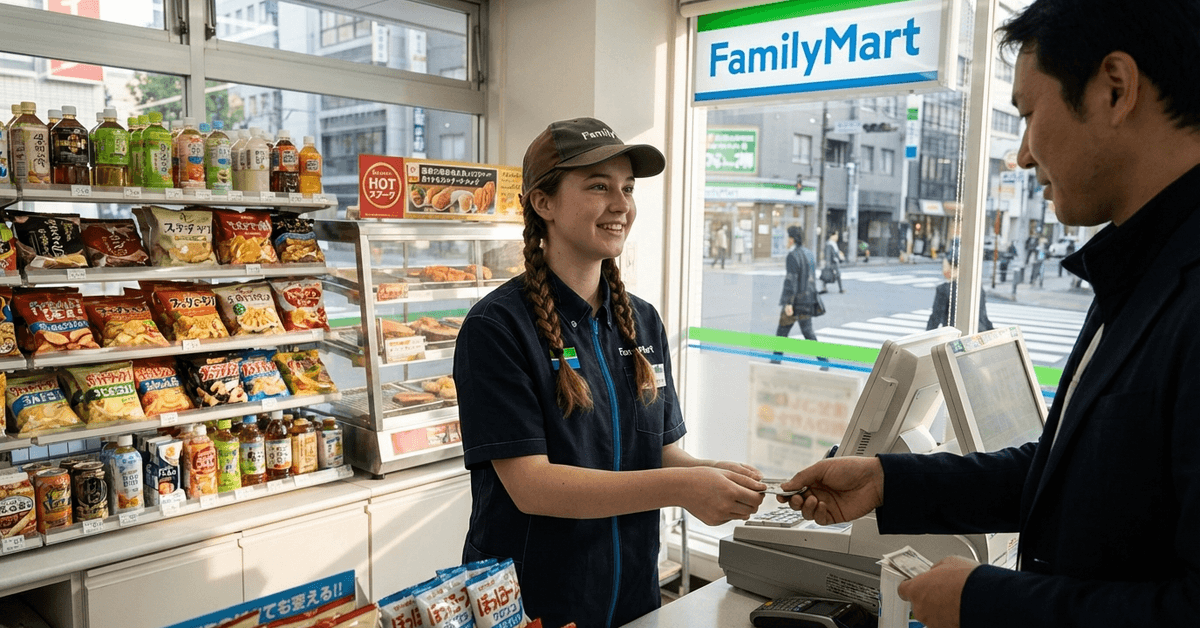
Frequently Asked Questions
Can students work at FamilyMart?
Yes, as long as their visas allow part-time work and they have official work permission. The 28-hour per week limit generally applies.
Do FamilyMart jobs lead to full-time positions?
While store-level jobs are intended as part-time, some long-term staff may move up to supervisor or assistant manager positions.
What if a store declines my application?
Sometimes, stores prefer experienced staff or may hesitate if communication is a big challenge. Don’t be discouraged; applying to several locations increases the chances of finding a good fit.
Conclusion
FamilyMart part-time jobs in Japan offer foreigners accessible opportunities with clear application steps, flexible schedules, and valuable work experience, helping build skills, earn income, and adapt successfully to the local workplace.