

Moving to Japan can be a major step, especially if you're seeking part-time work to support your lifestyle. Supermarkets like AEON often come up in conversations about accessible jobs for foreigners.
Whether you’re studying, accompanying a family member, or just want some extra income, learning about these roles might open an unexpected door.

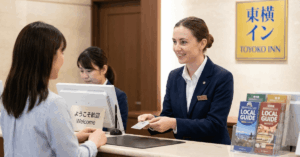

This article explores everything you might want to know about AEON supermarket jobs in Japan for foreigners. Those looking for flexibility, stable income, and a multicultural work environment could find useful details here.
If you’ve felt uncertain about job options in Japan, perhaps this realistic look at supermarket work can help shape your decision.
Why Consider Part-Time Supermarket Jobs in Japan?
Finding suitable employment as a foreigner isn’t always straightforward in Japan. However, supermarket roles tend to be entry-level and often require limited Japanese fluency for certain positions.
For people new to the country, jobs at AEON can offer financial stability and professional experience in a culturally diverse setting.
Accessible for Non-Native Speakers
Some positions, especially those involving shelf stacking or basic food prep, don’t demand advanced language skills. There’s still a need for basic communication, but many AEON locations have foreign staff and on-the-job language support.
Flexible Schedules Suit Students and Parents
Part-time contracts are a norm in supermarkets. Working hours might range from early mornings to late evenings, making it possible for students or parents balancing other responsibilities to find a shift that works for them.
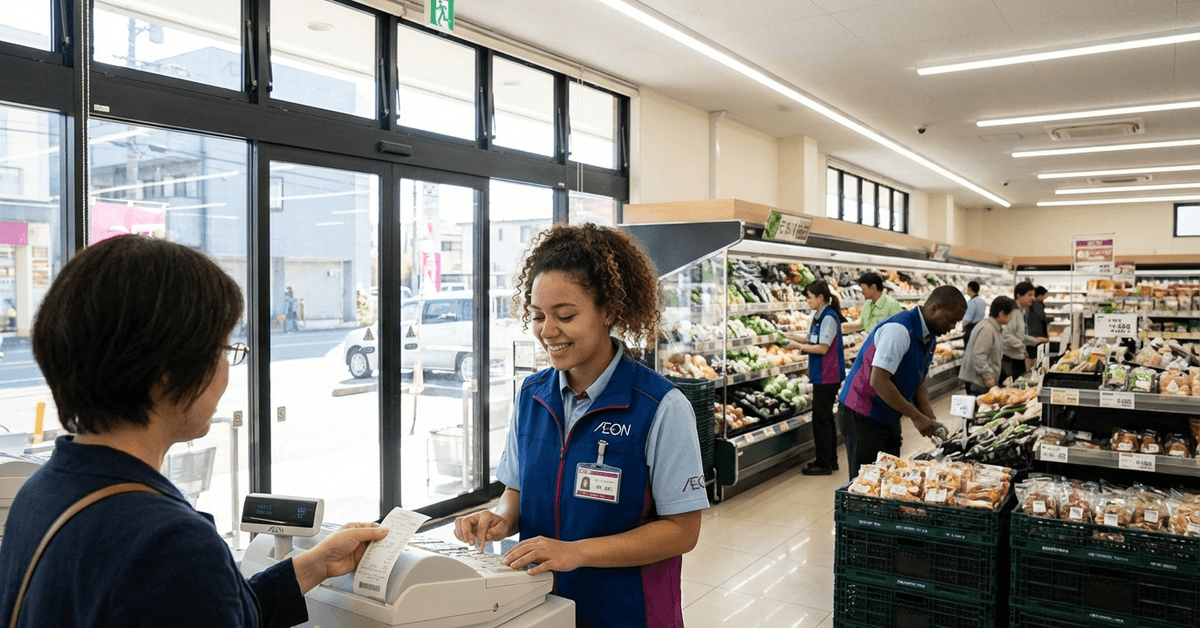
Consistent Demand Year-Round
Unlike tourist-based work, grocery stores like AEON function year-round. Steady demand means there is usually a need for part-timers, ensuring more reliable openings — not just during holidays.
Types of AEON Supermarket Jobs Available for Foreigners
The variety of roles at an AEON supermarket can be surprising. While cashier and shelf-stocking jobs are common, there are more specialized tasks for those with certain skills or interests.
Cashier and Register Staff
Handling the register can require more Japanese, but some AEON locations offer training. These roles are customer-facing and involve direct interaction but can help improve language abilities over time.
Shelf Stacking and Stockroom Work
Many foreigners start here. Tasks include replenishing goods, organizing stock, and assisting with inventory. Physical stamina is useful, though the work is usually predictable and repetitive, which some people appreciate.
Food Preparation or Bakery Staff
If you prefer working with food, AEON stores often hire people to prepare simple meals, package goods, or assist in bakery sections. Hygiene and attention to detail matter, so some prior kitchen experience — even at home — can help.
Cleaning and Maintenance
Keeping a supermarket tidy is ongoing work. Cleaning staff handle restrooms, floors, and sometimes carts. While less visible, it's a role where language requirements can be lower, making it accessible even for those just starting Japanese language learning.
Eligibility Requirements for Foreigners
AEON does have requirements for hiring foreign nationals. Japanese labor law and immigration policies are carefully enforced, so understanding what’s necessary is important.
Permission to Work and Visa Status
Students with a "permission to engage in activity other than that permitted under the status of residence" sticker can typically work up to 28 hours a week.
Spouses, residents, and some other categories may also be eligible. AEON usually checks your documentation during the application process.
Basic Japanese Proficiency
Even for non-customer roles, knowing some Japanese is helpful. Supermarkets want staff who can manage safety instructions or respond to emergencies. If you’re not fluent, mentioning conversational ability can help your chances.
Age and Physical Fitness
Applicants typically need to be at least 18. Most jobs require standing for long periods and lifting, so physical health is considered during hiring. There are exceptions for less strenuous positions, though they're less common.
Average Pay and Work Conditions at AEON
Many want a sense of how much they might earn. Supermarket pay rates are usually stable across Japan, but can vary slightly depending on location and shift.
Hourly Wages
AEON’s part-time wages average between ¥950 and ¥1,200 per hour, with late-night shifts sometimes offering a premium. While not the highest-paying work available, the ease of entry can balance the lower pay.
Typical Shifts and Contract Terms
Shifts can be part-time (as few as 3 hours) or cover longer periods. Contracts might renew every 3–6 months. Paid overtime is available, and weekend shifts are frequently offered, though not always compulsory.
Additional Benefits
Some AEON supermarkets provide meal discounts or offer the chance to convert to full-time after a certain period. Familiarity with staff discounts or bonus schemes can be rewarding over time, though these depend on branch policies.
Typical Application Process at AEON
Applying for supermarket work in Japan can seem intimidating, especially for non-natives. AEON’s process is generally straightforward if you prepare appropriately.
Where to Apply
For openings, AEON’s official careers site lists current roles, including filters for store location and job type. Interested applicants can also check Japanese job platforms such as Townwork or Hello Work.
Resume and Interview Expectations
Basic resumes (called rirekisho in Japanese) are usually required. Interviews focus on availability, willingness to work in a team, and reliability. Be prepared for some routine questions about your visa, experience, and weekend availability.
Challenges and Things Foreigners Notice On the Job
Not everything is as straightforward as it appears. Some foreign employees mention cultural adjustments and unexpected hurdles when first starting at AEON. Over time, these can become part of the personal experience in Japan.
Language Learning Curve
Memos and announcements are almost always in Japanese. Even with support, picking up practical vocabulary takes time. Some find it frustrating initially, but notice their ability improving as weeks go by.
Workplace Etiquette
The Japanese workplace emphasizes punctuality, formality, and consensus. Rules can sometimes feel rigid, yet they help everything run smoothly. Forgive yourself if you make a few etiquette mistakes early on; most supervisors expect some adjustment.
Physical Demands
Even light roles often involve repetitive tasks and standing. Those unused to constant movement might feel tired in the first month. Over time, stamina tends to build naturally, and shifts sometimes feel shorter than expected.
Community and Support
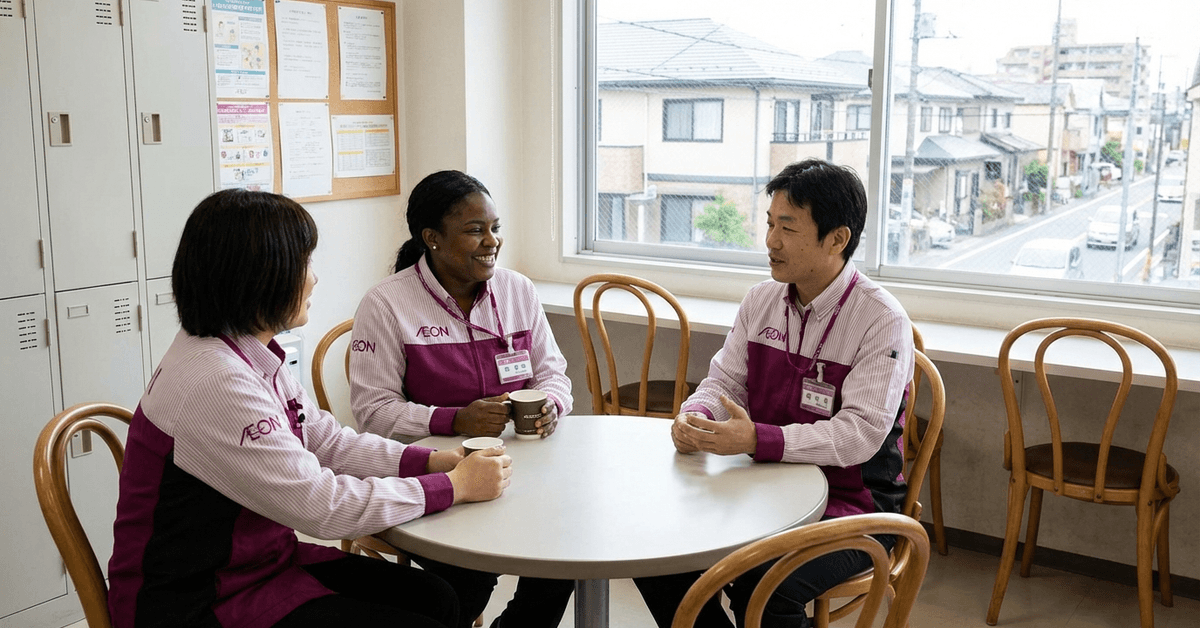
It’s common to find other foreigners in larger AEON stores, which can help with settling in socially. Still, feelings of isolation or occasional homesickness aren’t unusual, especially if you're the only non-Japanese team member.
Many share that making small efforts to join after-shift gatherings or say a cheerful hello in the hallway can help you feel more included.
Legal and Tax Considerations for Foreign Part-Time Workers
It’s easy to overlook paperwork when eager to start working. Yet understanding the rules is important—especially because improper employment can affect your visa status.
Income Limits for Students and Other Visas
Students are capped at 28 hours a week during term and 40 hours during long vacations. Violation can result in serious consequences. For more details, review guidance from Japan’s Ministry of Justice.
Registration and Withholding
Part-time employees are taxed at source via a simple withholding system. AEON typically handles this for you, though it’s helpful to keep personal records in case you need to file a tax return.
Health Insurance Contributions
If you consistently work over a certain threshold, you may qualify for employees’ health insurance schemes. If not, National Health Insurance may still be required. Matching your work hours to your visa class is always advised before accepting a role.
Ways to Increase Income and Advance
The pay for entry roles may seem modest, but there can be several ways to gradually increase your weekly take-home and experience.
Night and Weekend Shifts
AEON often pays a premium for late-night or busy weekend shifts. Taking on these less popular hours may boost your overall pay without needing more days on the schedule.
Learning New Tasks
Gaining skills beyond your main role — such as learning to use bakery machinery, handle cash, or coordinate with the delivery section — can increase your value and potentially improve your earnings or advance you to better roles.
Building Relationships
People who develop good relationships with managers and team leaders sometimes get asked to fill in for absent coworkers, opening up extra hours. Consistency and a friendly attitude tend to be appreciated here, even if you’re still learning the ropes.
Conclusion
AEON supermarket jobs in Japan provide foreigners with flexible part-time opportunities, steady income, and valuable retail experience, helping build skills, adapt to local work culture, and support long-term career development.