

Finding restaurant jobs in Japan can open doors to practical work experience, language immersion, and supplemental income.
For those interested in authentic Japanese workplaces, Izakaya part-time jobs offer flexibility and a unique view of local life.


This guide explores how to discover, apply for, and thrive in izakaya roles—ideal for students, foreigners, and anyone looking for work with flexible hours.
Why Consider Part-Time Work in an Izakaya?
For many job seekers in Japan, izakayas—traditional Japanese pubs—offer an accessible entry point into restaurant work. This suits language learners, travelers, and local students seeking social and professional experience.
The Appeal of Izakaya Jobs
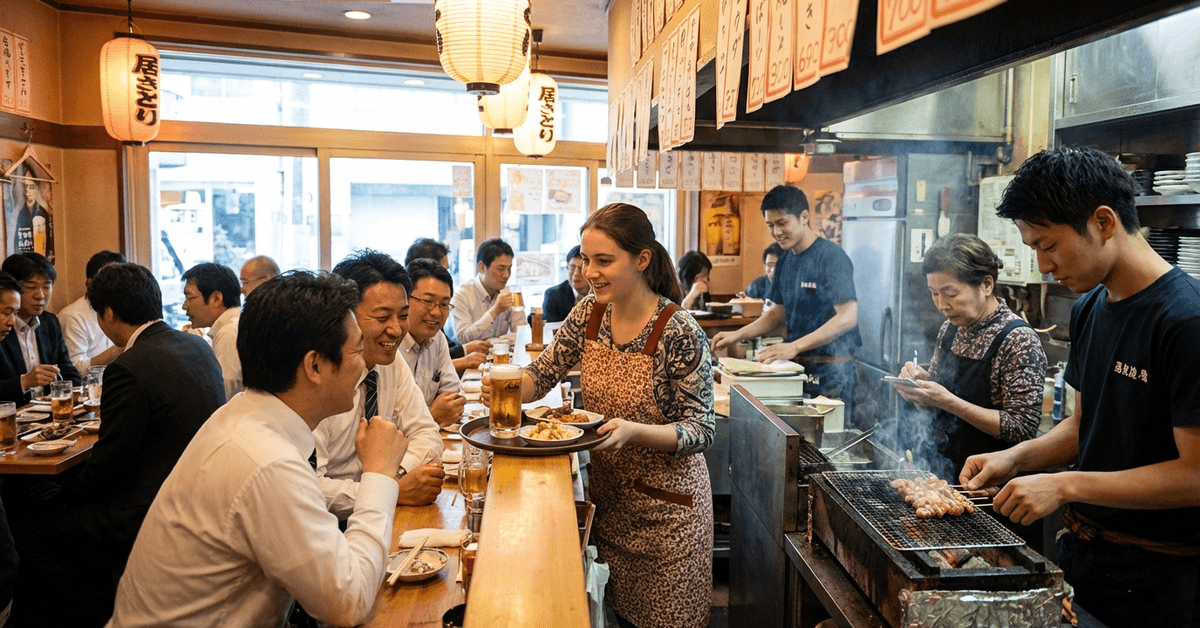
The energetic pace, varied shifts, and informal atmosphere found in most izakayas attract all kinds of workers. Many describe the environment as lively, with opportunities to meet locals and practice conversational Japanese.
Flexible Scheduling and Location Variety
Most izakayas offer late hours, so individuals can often arrange shifts after school, university, or even another part-time position. Urban and suburban options abound, especially in areas with nightlife or business districts.
Language and Cultural Learning
Those seeking immersion in Japanese culture may find izakaya work beneficial. The necessity to interact with patrons and staff helps build language skills, sometimes in a casual, supportive setting.
Main Responsibilities in an Izakaya Job
Izakaya part-time jobs typically fall into several categories. Each comes with distinct expectations, yet often overlap as staff cover multiple duties during a shift.
Front of House: Service and Hospitality
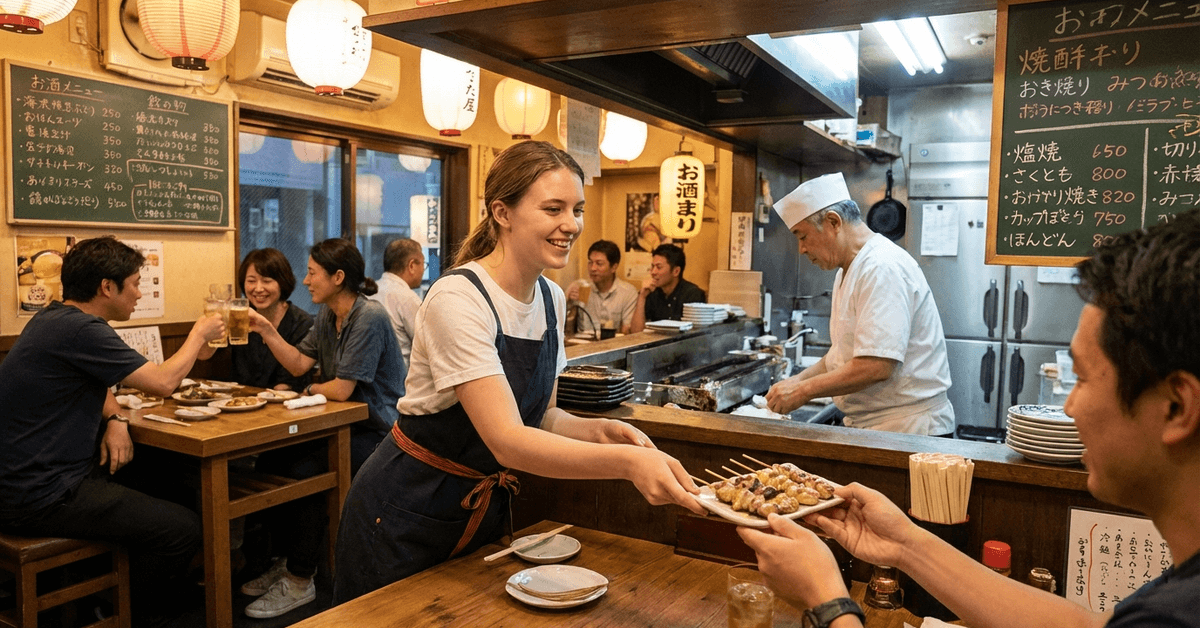
Roles often include greeting customers, taking orders, delivering food and drinks, and basic table management. Some positions offer a chance to develop communication and customer care skills.
Kitchen and Food Preparation
Those working in the kitchen might assist with basic cooking, plating, or food preparation. While some experience helps, many izakayas train part-timers directly on-site.
Cleaning and Closing Tasks
At the end of a shift, staff are typically expected to help clean tables, wash dishes, or manage closing procedures. This shared responsibility fosters teamwork.
Common Requirements for Applicants
Anyone hoping to secure a part-time job in an izakaya must usually satisfy some basic requirements. Employers tend to value reliability and a willingness to learn over direct experience.
Eligibility and Work Permits
Foreigners need the proper visa and, if studying, written permission for part-time employment. Some employers may accept applicants with minimal Japanese ability, though conversational skills are an asset.
- Valid visa allowing paid employment
- Minimum age (often 18+ for evening shifts)
- Availability for weekend or night work
- Basic Japanese conversational ability (in most cases)
- Polite, friendly attitude
How to Find Izakaya Part-Time Jobs in Japan
Potential workers can explore several reliable routes when searching for izakaya work. Many modern establishments prefer digital applications, though traditional methods are also valuable.
Online Job Portals
Websites such as TownWork, Baitoru, and GaijinPot are frequently updated with part-time opportunities in hospitality. These portals often include filter options for language level, visa status, and shift type.
Local Job Boards and Flyers
Cafes and izakayas themselves occasionally post open positions on notice boards or windows. Walking through business districts may reveal advertisements—especially after the start of a school semester.
University Career Centers
Students may benefit by checking their institution's job listings. Some schools in Japan maintain exclusive partnerships with local restaurants and izakayas seeking student staff.
In-Person Applications
Bringing a résumé (rirekisho) directly to the izakaya can sometimes yield positive results, especially if the establishment prefers to hire locally or values a personal introduction.
What to Expect During the Hiring Process
Once an application is submitted, the process is generally straightforward. However, there may be a short interview or paid trial shift to assess suitability.
Typical Interview Questions
- Why do you wish to work at this izakaya?
- Can you work nights or weekends?
- Do you have prior experience with customer service? (Not always necessary)
Probation Periods and Trial Shifts
Some izakayas ask new staff to work a short, paid trial. During this time, basic roles and expectations are explained. Both worker and employer can decide if the role is a good fit.
Wages, Work Hours, and Benefits
Pay rates and benefits may vary widely depending on location and employer. In urban areas, wages tend to be slightly higher, especially for late-night or busy shifts.
Typical Hourly Wages
Entry-level wages for izakaya part-time staff typically hover around the legal minimum wage, though late shifts or weekend work can command higher pay (often with a "night shift" bonus).
| City/Region | Common Hourly Range (¥) |
|---|---|
| Tokyo | 1,100 – 1,300 |
| Osaka | 1,000 – 1,200 |
| Other Cities | 900 – 1,100 |
Typical Benefits
- Meal discounts or free staff meals
- Flexible scheduling for students
- Transportation allowances (sometimes)
- Paid training and skill development
Skills Gained from Working at an Izakaya
Although some may view these jobs as simple, working in a Japanese izakaya can provide genuine benefits beyond earnings.
Language Fluency
It’s common to improve listening and speaking skills quickly, simply by being immersed in daily interactions with Japanese speakers.
Customer Service Confidence
Handling various customer scenarios—even the tricky or confusing ones—transfers well to future roles or other industries.
Teamwork and Flexibility
Cooperation is essential in izakaya work, not only during busy hours. The group-focused environment helps workers adapt and support one another.
Legal, Tax, and Visa Considerations for Foreigners
Legal compliance is essential, especially for non-citizens. Understanding employment and tax requirements helps prevent future challenges.
Work Visa and Permit
Students and other visa holders must adhere to maximum hour limits set by immigration law (usually 28 hours/week). Overworking or missing permission can jeopardize visa status.
Income Taxes on Part-Time Wages
The majority of izakaya staff must file annual taxes on income, even from part-time jobs. Some workplaces offer guidance, while others expect staff to learn the process independently.
Insurance and Social Security
If working more than a certain number of hours, enrollment in the national pension or insurance schemes may be necessary. Clarify these requirements with employers before starting.
Tips to Find Success and Enjoyment in Izakaya Work
While challenges do occur—for example, language barriers or unfamiliar customs—some basic approaches can help build a positive experience.
- Approach each shift with patience, expecting mistakes at first
- Use opportunities to ask questions and clarify tasks
- Observe how experienced staff manage difficult customers
- Remember to take care during late shifts; energy management is key
- Keep notes or a simple phrasebook for reference in the early weeks
Frequently Asked Questions About Izakaya Part-Time Jobs
Are izakaya jobs suitable for non-Japanese speakers?
Some izakaya jobs may be possible with limited language ability, though most require at least basic conversational Japanese. Tourist districts and international chains sometimes hire English speakers.
How competitive are restaurant jobs in Japan?
Competition fluctuates, depending on economic factors, season, and location. Urban areas offer many openings but also see higher demand. Some perseverance may be required.
What documents are needed to apply?
Most izakayas ask for a résumé (rirekisho), a photo, and identification proving work eligibility. Student visa holders may need documentation showing permission for employment.
Conclusion
Izakaya part-time jobs in Japan offer flexible restaurant work for students and travelers, providing income, cultural experience, and customer service skills while allowing individuals to balance schedules and enjoy dynamic environments.