

Finding a part-time job in Japan can feel challenging, especially for newcomers or students. Don Quijote, known locally as Donki, is a popular destination for such job seekers.
This guide unpacks how to explore part-time work opportunities at Don Quijote, why the store is favored by both locals and expats, and what you might expect from working there.


If you're just starting out in Japan or looking to supplement your income, this article should be particularly useful.
Why Choose Don Quijote for Part-Time Work in Japan?
Choosing a place to work part-time in Japan involves balancing schedule flexibility, wages, and environment.
Donki offers several unique advantages for people looking for accessible jobs. Many find that the vibrant, fast-paced retail setting provides a decent introduction to the Japanese job market.
Wide Range of Shifts
Because Don Quijote stores operate late, some 24 hours, there’s usually a broad selection of shift times. This can suit night owls, students, or people with other daytime commitments.
Minimal Japanese Required (Sometimes)
For non-native speakers, language barriers can be intimidating. While Japanese ability is often needed, some locations with high numbers of foreign staff or tourists may be more lenient. A basic grasp of Japanese is still recommended.
Dynamic Work Environment
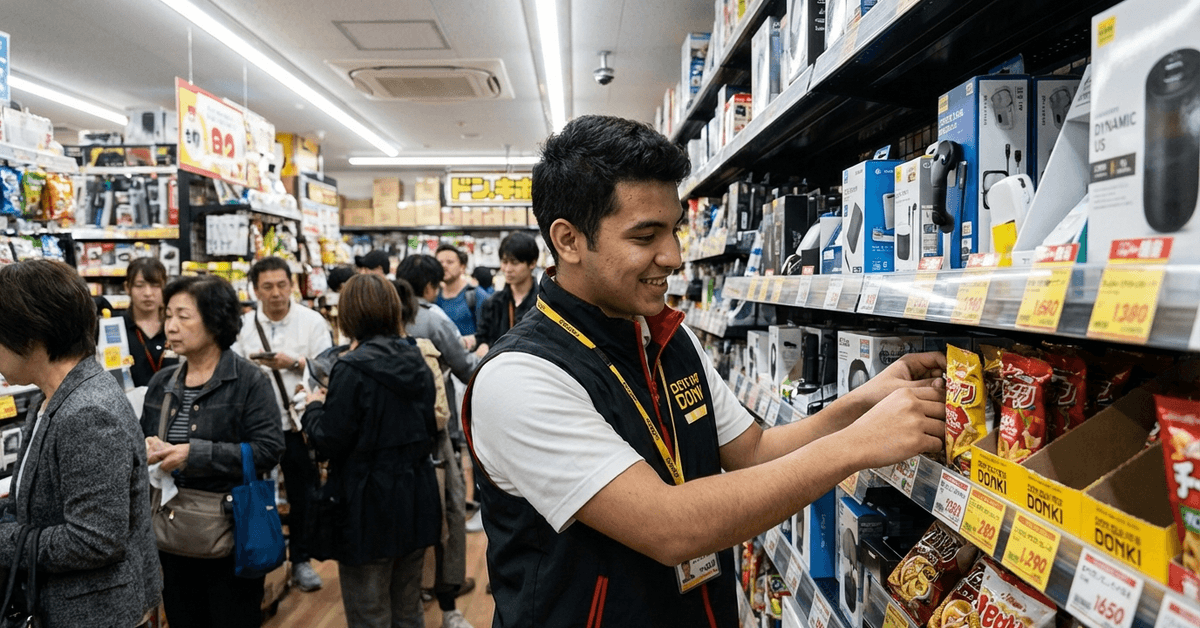
Donki stores are famously busy. It's not always relaxed, but the lively, always-changing atmosphere means rare dull moments. Some enjoy this kind of energetic routine.
Employee Perks and Support
It’s common for part-timers to receive discounts or occasional staff meals. Larger branches may even offer language support or short training sessions for new hires from overseas.
Types of Part-Time Jobs Available at Don Quijote
Jobs at Don Quijote aren't limited to cashier work. There are multiple roles, some more accessible to foreigners than others. Here’s an overview:
Cashier/Front-of-Store Staff
This is typically the most immediately available job. Duties include operating the register, assisting customers, and restocking displays. For most, conversational Japanese is a must.
Shelf Stocking/Night Shifts
If you prefer less customer interaction, overnight shelf stocking can be an option. These jobs often need only basic spoken Japanese and involve unpacking goods, pricing, and organizing shelves.
Inventory and Logistics
Larger stores have backroom teams handling incoming stock and sorting products. Occasionally, jobs in this area are open to people with minimal customer-facing skills.
Promotional Activities
During holidays or special events, Donki hires temporary staff for in-store demos, event setup, or product promotion. Fluency may be less important here, though some interaction with customers is expected.
Requirements to Work Part-Time at Don Quijote
Part-time job requirements at Don Quijote are usually straightforward, but some variations exist depending on branch and position.
Work Visa or Appropriate Status
Japanese law is clear: foreigners need a valid visa to be employed.
Students can typically work up to 28 hours per week, but a "Permission to Engage in Activity Other Than That Permitted by the Status of Residence Previously Granted" is needed. This is called shikakugai katsudo kyoka.
Basic Japanese Language Skills
Even if some jobs allow limited language skills, a basic grasp of Japanese helps with both work and daily life. You don’t need to be fluent, but understanding instructions is essential.
Polite and Cooperative Attitude
Service jobs in Japan value teamwork, punctuality, and a positive approach. Expressing eagerness and a willingness to learn often makes a good impression during interviews.
How to Find and Apply for Don Quijote Part-Time Jobs
There isn’t always one perfect route to securing a job at Don Quijote. Different approaches suit different people, and sometimes a little persistence pays off.
Directly at the Store
Job postings are usually displayed near store entrances or at service counters. Asking the manager or a staff member about current openings is common and shows initiative.
Official Don Quijote Recruitment Website
The official recruitment portal (search for 'Don Quijote part-time jobs' in Japanese) lists available positions. It’s generally in Japanese; translation tools might help if needed.
Job-Listing Platforms
Sites like TownWork, baitoru, and GaijinPot often feature Donki jobs. Filters let you refine by language, shift times, and location.
Through Referral
Occasionally, having a contact or friend who already works at Donki helps. Internal recommendations can sometimes speed up the process, though that’s never guaranteed.
What to Expect During the Application and Interview Process
The application process is similar to many Japanese part-time jobs, with a few quirks unique to Donki’s energetic brand.
Resume Submission
A simple Japanese resume (rirekisho) is generally required. Including a professional ID photo is the norm, even for part-time roles. Most electronic applications also request this.
Interview and Skills Assessment
Applicants may be asked basic questions about availability, previous experience, and language level. Some scenarios may be role-played, like assisting a customer with a question.
Trial Shifts
In rare cases, Donki might ask you to complete a short unpaid trial shift (taiken shigoto) as part of the assessment. It can be a useful way for both parties to confirm mutual fit, though not everyone is asked.

Pay and Working Conditions at Don Quijote
Compensation and working hours at Donki are pretty much in line with other large retailers, but there are certain features worth mentioning.
Hourly Wages
Wages vary by prefecture and store location, but Donki usually pays minimum wage or slightly above, sometimes with late-night premiums. Expect hourly rates between 1,050 and 1,300 yen.
Shift Scheduling
Staff can sometimes request shifts a week or two in advance. Flexibility is appreciated, but fixed or regular hours are less common for new employees.
Uniforms and Training
All staff members are provided with branded Donki uniforms. Short training sessions are standard, covering customer service basics, safety, and store policies.
Pros and Cons of Working at Don Quijote
Like any job, there’s a balance between benefits and drawbacks. Not every Donki experience is the same, but some patterns emerge from stories of current and former staff.
Advantages
- Flexible shifts – often fits busy study or family schedules
- Exposure to Japanese retail work culture
- Chance to improve language skill in a real-world setting
- Employee discounts on store items
Challenges
- High pace and intensity, especially during peak hours
- Limited advancement for part-timers
- Customer service can be demanding
- Some shifts may routinely end late
Legal and Tax Considerations for Foreign Part-Timers
Japan has strict laws about foreign employment. Even part-time roles like those at Don Quijote follow specific rules regarding visas and income reporting.
Work Hour Restrictions
Foreign students and dependents can legally work up to 28 hours per week during term, more in some holidays, with the appropriate work permit.
Tax Reporting
Part-time workers may need to complete a year-end tax adjustment (nenmatsu chosei) with the employer, or file a final return if working multiple jobs. Tax on a typical Donki salary might not be high, but it’s important to keep receipts or pay slips.
Social Insurance
Some staff working above a threshold number of hours may be enrolled in health insurance and pension schemes. This rarely applies to short shifts but happens if weekly hours are high.
Alternative Retail Jobs in Japan for Part-Time Seekers
Donki is popular, but it’s only one of several large retail chains offering flexible part-time work. Exploring alternatives could widen your options.
- Convenience stores (konbini) like Lawson, 7-Eleven, or FamilyMart
- Supermarkets such as Aeon or Seiyu
- Other discount chains (Daiso, Trial, Seria)
Each has its own hiring process, wage scales, and level of openness to foreign applicants. The patterns mentioned for Donki often apply elsewhere, though every store has differences.
Conclusion
Don Quijote (Donki) part-time jobs in Japan provide flexible work opportunities, helping employees gain retail experience, develop practical skills, and enjoy a dynamic, supportive environment while balancing personal and professional commitments.