

Convenience store jobs offer a highly accessible entry point for foreigners aiming to work abroad. Among various brands, Ministop job openings attract attention due to their flexibility, straightforward requirements, and growing locations.
For newcomers or expats, jobs at Ministop can be a stepping stone, not just for income, but also language skills and cultural understanding.


This article explores everything foreigners might want to know about Ministop positions—day-to-day work, eligibility, pay, and practical tips.
If earning money in a casual, customer-facing role is in your sights, or you just want to know your options, read on. The goal is to give you clarity and confidence before applying.
Why Ministop Convenience Store Jobs Appeal to Foreign Workers
Retail jobs often carry a reputation for being repetitive. But with Ministop, the advantages for foreign employees can outweigh the drawbacks. These jobs tend to suit those searching for stability, adaptability, and language immersion.
Accessible Positions Regardless of Experience
One of the primary draws: Ministop doesn’t demand significant work history. Roles are often part-time, making them suitable if you lack local experience.
For those still gaining confidence with Japanese or another host country’s language, basic tasks are usually manageable after initial training.
Communication skills develop faster in a real-store setting than textbooks alone can offer, or so many past workers say.
Opportunities for Language and Cultural Integration
Store roles regularly bring staff into contact with locals. On busy shifts, this means a steady stream of customer interactions.
Some find this challenging, especially at first, but the immersion helps with practical language acquisition. Cultural nuances—honorifics, etiquette, and everyday slang—become familiar with time.
Flexible Shifts to Match Study or Family Needs
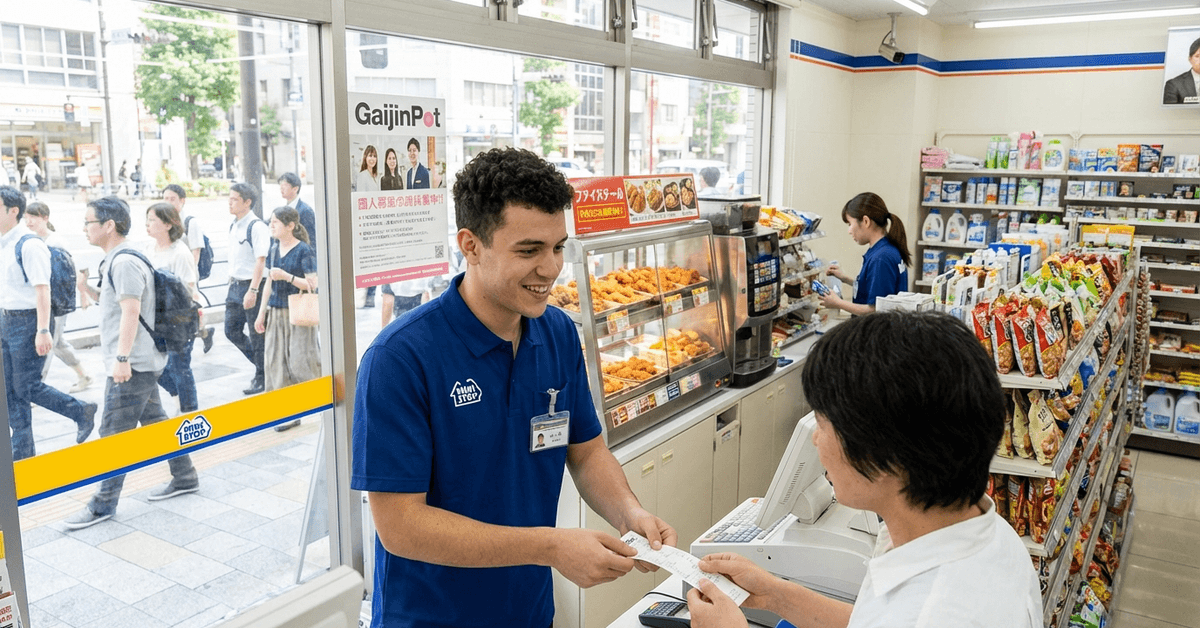
Many foreigners are students or have other commitments. Ministop is known for shift scheduling flexibility: early morning, evening, or even overnight options are available in most stores.
This adaptability can help balance work with classes or childcare. Of course, every location is different, but negotiating shifts seems common and generally welcomed by managers.
How to Find Ministop Job Openings as a Foreigner
Catching the right job posting is just one part of the hunt. Ministop regularly updates openings on its official recruitment portals, but third-party websites and physical in-store posters also advertise vacancies.
Many foreigners have luck visiting stores directly with a simple resume (or CV) in hand.
Online Sources for Ministop Job Listings
- Official Ministop Careers Page
- Major Japanese job websites such as GaijinPot or Daijob
- Community social media and expatriate groups
Each source has its own requirements for registration. Applying online may involve uploading documents and waiting for an invitation to interview.
In-Person Applications: The Local Advantage
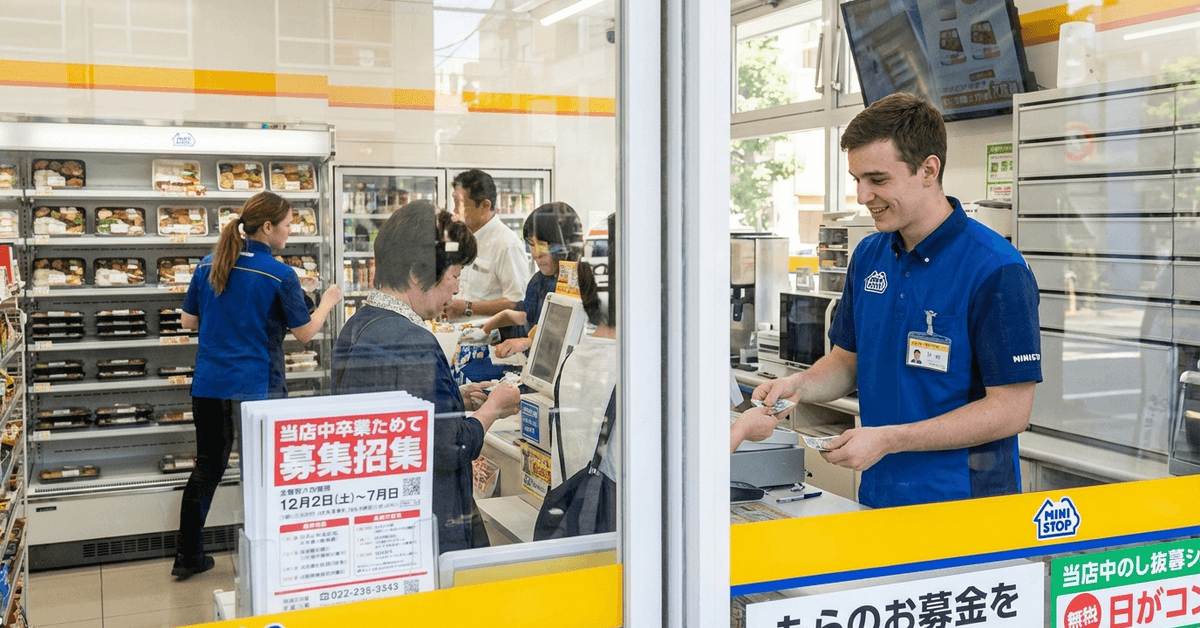
It’s fairly typical for stores to post hiring flyers in the windows. Walking in and introducing yourself can leave a positive impression, especially if you display courtesy.
Perhaps the language barrier creates anxiety, but simply offering to try can make the difference. Anecdotally, many international workers mention this approach led to quick interviews.
Eligibility and Requirements for Foreign Applicants
Ministop jobs welcome a wide range of applicants, yet foreign nationals need to meet some official criteria before they begin work. Being aware of these requirements helps avoid confusion or disappointment later on.
Visas Permitting Employment
Only foreigners with valid work authorizations—such as a student visa with work permissions, working holiday visa, or spousal visa—are typically considered. Each visa type has restrictions on work hours and types of employment.
Language Proficiency: How Much is Needed?
Basic conversation skills are ideal. In many neighborhoods, especially in major cities, a functional level of Japanese or local language is often requested by management.
This may be less strict in areas with multilingual staff or tourist traffic. Still, language abilities help with customer service and safety procedures.
Other Common Requirements
- Residency card presentation for verification
- Bank account in the host country for receiving pay
- Availability during peak store times (often evenings or weekends)
What to Expect Working at Ministop
Every convenience store job differs slightly depending on the location and the team. Still, some parts of a Ministop shift stay the same everywhere. It is not always glamorous—but the consistency helps new staff adapt quickly.
Main Duties on a Typical Shift
- Cash register operation and customer greetings
- Restocking shelves and refrigerators
- Cleaning duties (floors, bathrooms, counters)
- Assisting with food prep for in-store items
- Handling of deliveries and checking inventory
At times, tasks might seem repetitive, but those who persist usually become quicker and more confident in just a few weeks.
There is an undeniable learning curve. Sometimes you may make mistakes, or feel overwhelmed by foot traffic during rush hours. That's normal; most managers expect a settling-in period.
Workplace Atmosphere and Team Dynamics
Because of Ministop’s presence in both city centers and quieter neighborhoods, the type of customer and staff can vary quite a bit.
Some foreigners appreciate teams that already include other expats, while others say working with mostly locals improved their language faster. Schedules may rotate frequently, and overtime sometimes occurs.
Typical Pay and Benefits for Ministop Staff
Many foreigners weigh hourly rates carefully when choosing jobs. Ministop usually pays slightly above the legal minimum wage. In metropolitan locations, the rate can be higher to reflect the cost of living or customer volume.
Wages, Raises, and Bonuses
- Base pay typically starts near minimum (varies by city or prefecture)
- Night or weekend shifts can include bonuses
- Annual evaluations sometimes lead to small raises
Staff often comment that pay is reliable, and overtime is clearly documented. Some report small seasonal bonuses or staff incentives, but these are often store-specific rather than company-wide.
As always, documentation and timesheets should be maintained meticulously—to avoid pay disputes.
Other Benefits
- Staff discounts on food and drink items
- Uniforms provided by the company
- Access to basic health support or social insurance for eligible staff
- Occasional staff gatherings or company events
Perhaps these benefits do not rival those in white-collar settings. Still, for part-time or first-time workers, these extras are sometimes meaningful. Uniforms, for instance, can take away some first-day anxieties about what to wear.
Challenges Foreigners May Face (and How to Navigate Them)
Success in a Ministop job isn’t guaranteed, and foreigners might encounter hurdles. Language remains a common stumbling block. Training, though given, often moves quickly, and not every manual is in English or other languages.
Handling Difficult Customer Interactions
Busy periods attract a mix of customers. Misunderstandings over payment or store policies occasionally cause stress.
Some workers find that apologetic body language and asking a colleague for backup helps to keep things smooth, even if words fail momentarily.
Dealing with Workload and Scheduling
On paper, shifts might be four hours. But unexpected surges can stretch shifts longer, particularly late at night. Negotiating preferred times early, and staying communicative with managers, seem to help avoid burnt-out feelings.
Health and Safety Considerations
Carrying heavy boxes or standing for long hours may not suit everyone. Ministop often provides brief health and safety training, but workers should always speak up if they feel uncomfortable—something expats sometimes hesitate to do at first.
Listening to one's body matters. Take short breaks if allowed and wear provided footwear to reduce fatigue.
Tips for Boosting Success in Ministop Roles
Certain approaches appear to set candidates apart, both at the hiring and on-the-job stages. While every location and manager has their quirks, collected advice from foreign staff often falls into these categories:
Preparation and Documentation
- Prepare a resume/CV in both English and the local language
- Practice basic store vocabulary and common phrases
- Have physical copies of visa and residency paperwork for interviews
Emphasize Soft Skills
Politeness and willingness to learn are highly valued by convenience store supervisors. Smile frequently.
Being proactive—such as picking up an extra shift or helping a struggling team member—often gets noticed quickly, sometimes leading to longer contracts or more responsibility.
Explore Upward Mobility
Some foreigners have used entry-level experience as a launchpad into other retail, hospitality, or customer service positions.
Occasionally, those who show leadership or language improvement move into shift supervisor or trainer roles. While there is no guaranteed promotion pathway, consistent performance opens doors.
Legal and Tax Considerations for Foreign Staff
Staying compliant with local laws protects foreigners from unexpected fines or visa issues. Luckily, Ministop management is often clear about documentation, but diligence is still needed.
Paying Taxes and Record Keeping
Store employers typically withhold income tax as mandated by national laws. Still, staff may need to file annual tax returns, especially if working multiple jobs or exceeding specific income thresholds.
Keeping payslips and timesheets organized can help simplify these processes later on.
Insurance and Pension Systems
Depending on contract length and number of hours, part-time staff might become eligible for public pension or health schemes. It’s easy to overlook, but employees should review what is deducted from their pay, and inquire with managers if unclear.
Conclusion
Working at Ministop offers foreigners flexible income opportunities, practical retail experience, and valuable customer service skills, making it an accessible option for balancing work, earning steadily, and adapting to Japan’s environment.