

Thinking of working part-time in Japan? Karaoke box staff jobs are a popular choice, especially for students and those looking for flexible hours.
These positions offer a unique work environment and the chance to experience Japanese culture from the inside.


For anyone curious about what these roles involve or considering earning extra income, it’s worth exploring what makes karaoke jobs in Japan appealing.
What Does a Karaoke Box Staff Job Involve?
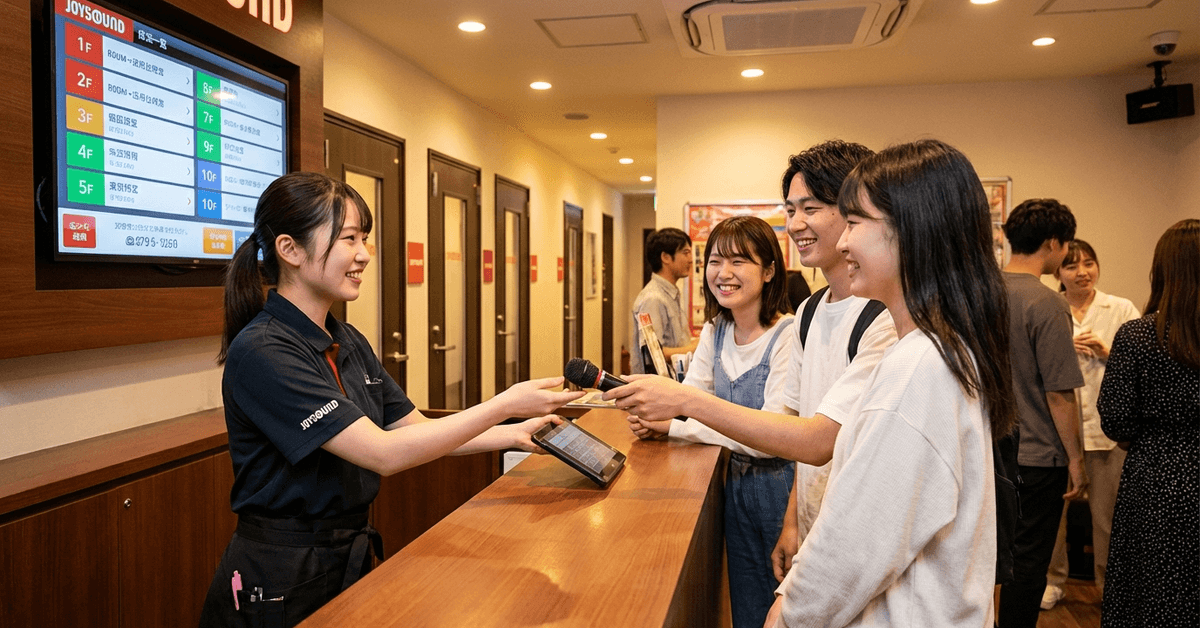
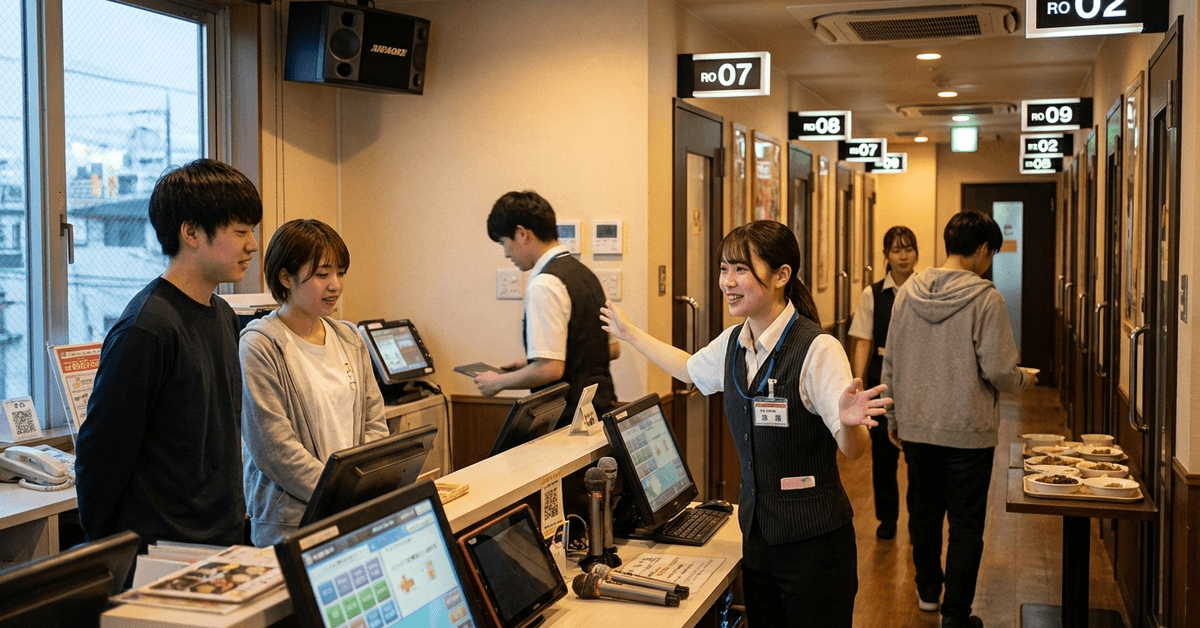
The basic duties for a karaoke box staff member include assisting customers at the front desk, preparing rooms, cleaning, and sometimes serving drinks or snacks.
It’s not only about singing—most of the time, you’ll be supporting guests so they can have a smooth, enjoyable experience.
Daily Responsibilities
- Welcoming and guiding guests to their rooms.
- Explaining how to use karaoke equipment.
- Taking food and drink orders.
- Cleaning rooms between customers.
- Handling payments, which can involve both cash and cards.
Some tasks might sound repetitive, but there’s often a sense that no two nights are exactly the same. Occasionally, a rowdy group or a stuck song will break up the routine.
Why Karaoke Box Jobs Appeal to Part-Time Workers
Karaoke box staff jobs in Japan attract many applicants every year. There are reasons for this, and not all of them are immediately obvious.
For instance, some find the environment energizing, while others appreciate the relative lack of physical labor compared to, say, construction or kitchen jobs.
Flexible Shifts for Busy Lives
Many karaoke venues are open late. Some run 24 hours. That makes scheduling pretty flexible, in theory, for students or people with other daytime commitments. Shifts can be swapped or fit around classes more easily than traditional 9-5 jobs.
Social and Language Benefits
Staff roles here offer a chance to meet a wide range of people. It’s not only a good way to improve Japanese language skills, but also to learn customer service “the Japanese way.”
For foreigners, this can be truly educational, even if it takes a bit of courage at first.
Opportunities for Bonuses and Perks
Some chains or private karaoke boxes provide incentives. Staff discounts, occasional bonuses during busy seasons, or even free karaoke sessions (though not always guaranteed). Some may value these perks more than others, of course.
Where to Find Karaoke Box Staff Jobs in Japan
Nearly every city has karaoke boxes. The biggest can be found in urban centers like Tokyo, Osaka, and Fukuoka. Competition can be tough in popular neighborhoods, but openings appear often due to high turnover.
Major Chains and Local Venues
- Big chains: JOYSOUND, Karaoke Kan, Big Echo
- Small or family-run boxes
- Hotel and entertainment complexes with karaoke
Applicants often find jobs posted on local job boards, part-time job sites, and even the venue’s own windows.
Online Job Portals
Websites like TownWork, Baitoru, and GaijinPot regularly feature listings for karaoke job openings. It’s smart to compare listings and check requirements before making contact.
Requirements for Working as Karaoke Staff
Most karaoke jobs don’t demand advanced skills or high levels of experience. However, they do set some standard requirements, particularly for foreign applicants.
Japanese Language Proficiency
Nearly all positions require at least basic conversational Japanese. Some venues—especially in major cities—may accept limited Japanese skills, but the more fluent, the easier the job.
Visa Status and Work Eligibility
Foreign workers need a valid visa that allows part-time work. This usually means a student or working holiday visa rather than a tourist visa. Some jobs will specify these requirements clearly.
Age and Appearance
Applicants must be legally adult (usually 18+) and, in some venues, there’s an unofficial expectation of neatness or certain dress standards. Hair color and piercings might even come up in interviews—though this varies by brand.
Pay and Working Conditions
Salaries for karaoke box staff tend to fall around the minimum wage for the prefecture, with potential increases for late-night or weekend shifts. Generally, pay ranges between ¥1,000 and ¥1,300 per hour, though this varies by city and chain.
Typical Schedule
Shifts can be as short as 3-4 hours, or stretch into overnight slots. Some people take just one shift a week; others, several. Overtime and late-night hours are sometimes compensated with a higher hourly rate.
Work Environment Realities
It’s typically fast-moving, noisy, and sometimes chaotic—especially on Friday or Saturday nights.
Staff are expected to handle difficult guests with patience. There are quiet periods, too, when cleaning or resetting is the main focus. It’s not always glamorous, but it’s rarely boring.
Skills and Qualities That Help Staff Succeed
Employers tend to favor polite, positive, and detail-oriented staff. Anyone comfortable interacting with new people might feel right at home. At the same time, it’s not necessary to be a karaoke fan—many workers admit to not singing at all.
Problem-Solving and Patience
Technical problems with karaoke systems are common. Fast thinking and simple troubleshooting—figuring out a stuck disc or swapping microphones—are useful skills. So is patience with noisy customers and crowded lobbies.
Teamwork and Communication
Most venues use a team-oriented approach. Clear communication among staff helps keep things running smoothly. In busy places, coordination feels essential, although sometimes schedules overlap or shift assignments change suddenly.
Legal Considerations and Precautions
Workers must comply with Japanese labor laws regarding part-time employment. For international staff, careful attention to visa status is essential. Failure to stick to allowed hours may put a visa at risk, even unintentionally.
Tax and Social Insurance
Depending on income, staff may need to file taxes in Japan. Some may qualify—or be required—for social insurance enrollment, especially if weekly hours are high. These details are worth confirming at the start of employment.
Tips to Get Hired and Excel in the Role
Applying early for upcoming busy seasons such as school breaks and holidays can improve chances. Bringing a neatly prepared resume, and emphasizing enthusiasm for customer service, can stand out at interviews.
Improving Language and Service Skills
It’s good practice to learn common service phrases in Japanese. A short greeting or a simple thank you (“arigatou gozaimasu”) can help make a positive impression, even if the rest of your language skills aren’t perfect yet.
Conclusion
Karaoke box staff jobs in Japan offer flexible part-time work, providing hands-on customer service experience, a lively work environment, and opportunities to develop skills while balancing personal schedules effectively.