

Warehouse jobs in Japan have quietly become one of the more accessible opportunities for foreigners seeking flexible, part-time employment. For anyone aiming to earn extra income or gain work experience in Japan, these roles can be unexpectedly rewarding.
There’s a steady demand, and the logistics industry is often open to those with limited Japanese skills. Still, taking the first step—and understanding what these jobs really offer—can feel daunting at first.

This article is designed for foreign residents, students, and those interested in part-time logistics work across Japan.
The main benefit here is practical: clear insight into requirements, job types, pay expectations, and what a typical workday truly looks like as a non-Japanese employee. Some details may surprise you.
Why Warehouse Jobs in Japan Appeal to Foreigners
Japan’s logistics sector covers everything from major supermarket chains to e-commerce distribution centers.
Part-time warehouse work, sometimes called arubaito, tends to attract foreign job seekers hoping for consistent shifts, predictable pay, and minimal customer contact. For students on a visa or those in transition, it feels like a lifeline.
High Demand for Physical Labor
It's perhaps not obvious that Japan’s aging population has led to ongoing staff shortages, especially in physically demanding sectors. Warehouses often struggle to find enough reliable hands for sorting, packing, and basic inventory management.
This reality means more opportunities open to non-Japanese workers, sometimes even without significant language skills.
Flexible Schedules and Shift Patterns
One of the most appealing aspects is the variety in scheduling.
Many warehouses run two or three shifts per day, and it’s often possible to select shifts that fit around studies or family commitments. Weekends and evening shifts may even offer higher hourly pay in some cases.
Accessible Requirements
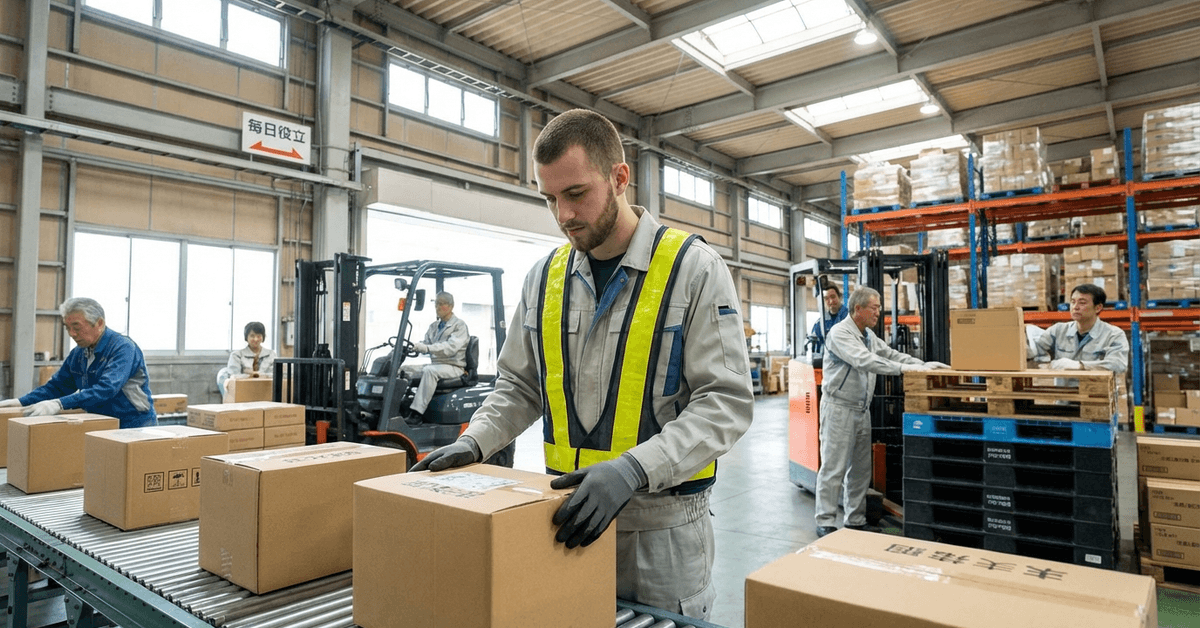
Unlike office roles, warehouse jobs rarely demand advanced spoken or written Japanese.
Employers usually prioritize physical ability, punctuality, and reliability. Some might ask for a basic interview but not a formal resume, which lowers the bar to entry for newcomers.
Types of Part-Time Warehouse Work Available
The reality is, not all warehouse roles are the same. Understanding the specific jobs available can help when searching and applying. Here’s a look at the most common categories.
Packing and Sorting
This job involves picking products from shelves, sorting goods by destination, or repackaging items for shipment. While repetitive, it's straightforward and often suitable for those with basic Japanese or limited experience in logistics.
Loading and Unloading
Loading trucks or containers, sometimes using hand carts or automated lifts, is a frequent task. It can be physically intense—so it's worth considering your fitness level—but it’s reliable work.
Inventory Recording
Some warehouses need staff to help with stock taking and simple data entry. These roles might require slightly more Japanese, at least enough to read barcodes or understand instructions. The trade-off is usually lighter physical work.
Cleaning and Maintenance
Keeping warehouses organized is critical in Japan. Cleaning and organizing workspaces or common areas might not seem glamorous, but these jobs can be a good entry point and tend to suit those looking for shorter shifts.
Qualifications and Requirements for Foreigners
An important factor is legal eligibility. Japanese immigration strictly enforces work conditions for non-citizens. Here are the typical requirements:
- Valid visa with work permission: Student, dependent, or specified activities visas often allow part-time hours, usually up to 28 hours per week.
- Residence card ( zairyu card ): Employers will check your status and registration.
- Proof of age: Some companies require workers to be at least 18 years old, especially for overnight or heavy labor.
- Basic Japanese: Not always required, but knowing simple phrases or instructions is definitely helpful.
I remember a friend from Vietnam who spoke almost no Japanese but landed a packing job in Saitama, just by showing up early and acting eager.
Results may differ, but warehouse managers sometimes appreciate this attitude over perfect language skills. It's not a guarantee, just an observation.
Typical Pay and Work Conditions in Japanese Warehouses
Pay rates do fluctuate by region and employer. In Tokyo or Osaka, part-time warehouse wages often start between 1,100 and 1,300 yen per hour. If a job is physically intensive or late at night, pay might climb above 1,400 yen per hour with overtime.
Benefits commonly include transportation allowances and paid breaks. Uniforms and safety equipment are usually supplied.
The work can feel monotonous, especially in packing roles, but some employees find the routine comforting. Air conditioning isn’t always guaranteed—some seasonal discomfort is possible, particularly in summer.
| Region | Typical Hourly Pay (JPY) | Common Shift Types |
|---|---|---|
| Tokyo | 1,200–1,400 | Evening, Weekend |
| Osaka | 1,150–1,350 | Morning, Night |
| Fukuoka | 1,000–1,200 | Afternoon, Evening |
| Nagoya | 1,100–1,300 | Flexible |
Where to Find Warehouse Jobs as a Foreigner
Online job boards are perhaps the most reliable starting point. Websites like GaijinPot Jobs, Jobs in Japan, and YOLO Japan frequently list warehouse and logistics openings targeting non-Japanese speakers.
Recruiters, called haken companies, also arrange part-time placements—though they usually take a small cut from hourly pay.
Word-of-mouth recommendations can also surprise you—sometimes, just asking at your local supermarket or convenience store yields leads for warehouse work in the area.
Flyers in foreigner-friendly areas or university notice boards might be another option.
- GaijinPot Jobs
- YOLO Japan
- Jobs in Japan
- Local haken (staffing) agencies
- University bulletin boards
Advantages and Challenges for Foreign Workers
The biggest advantage—at least in my view—is the straightforward application process. Cultural expectations might feel strict; punctuality and tidiness really do matter.
But, the long-term work environment can be surprisingly supportive. Some managers make efforts to help international staff settle in, though experiences will vary. It’s all a bit unpredictable.
Fewer Language Barriers
For foreigners nervous about communication, warehouse work might feel less intimidating than roles with heavy customer service.
Simple instructions, repeatable tasks, and bilingual supervisors make things manageable. Still, there can be the occasional misunderstanding, especially around holiday shifts or overtime.
Physical and Mental Demands
Daily tasks can be repetitive and physically tiring. Maintaining efficiency is almost an unspoken rule—you’re expected to keep pace with the team. Some people thrive on the active nature of the job, while others find it draining after a few months.
Employment Stability
Most warehouse jobs in Japan are contract-based. Extensions depend on the employer's needs and your performance.
The silver lining is that it’s rarely hard to move between employers if your visa status allows it, especially in urban areas with high demand.
Tips to Succeed and Advance in Japanese Warehouse Jobs
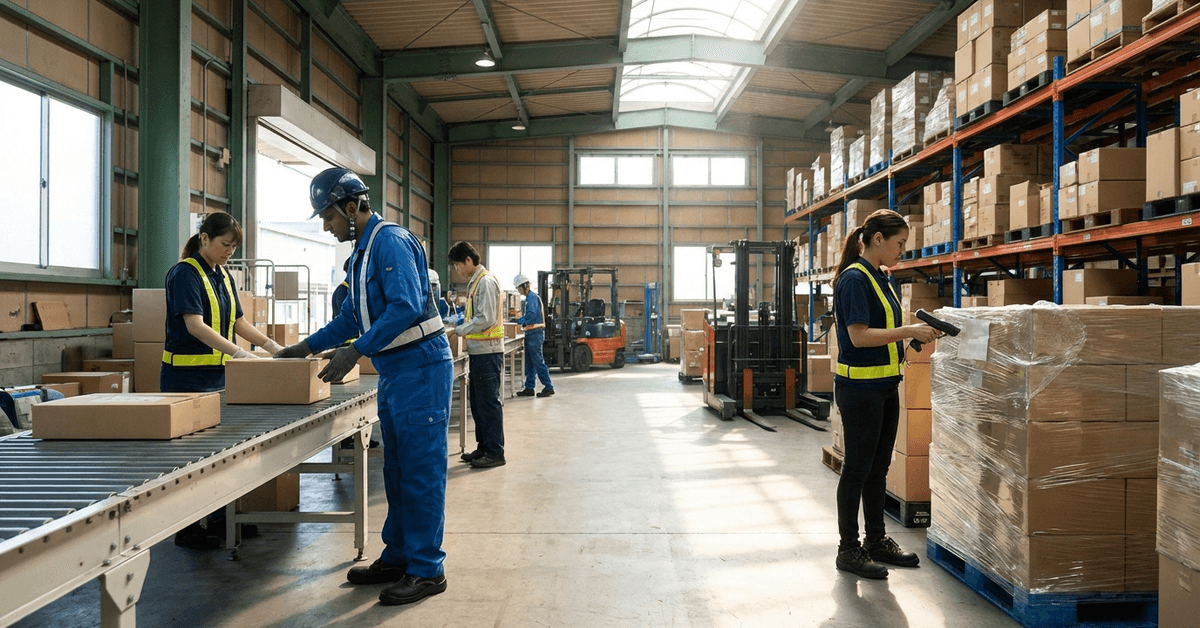
Success in this sector depends on attitude as much as ability. For those considering a longer stay in Japan, warehouse work may even open doors in logistics or supply chain management later on, especially if you build trust and language skills over time.
- Arrive 10–15 minutes early for shifts—the expectation is near-universal.
- Wear the provided uniform correctly; appearance matters more than you might expect.
- Ask questions if instructions are unclear, even in simple Japanese or with gestures.
- Use paid breaks to hydrate and stretch; heat stress is a real issue in summer.
- Keep a small notebook to jot down new words or processes. It makes integration smoother.
Advancement is possible, although it’s not a guarantee. Supervisory roles are rare, but some companies offer training for steady performers. And, perhaps, with improved language skills, you may find opportunities grow with time and effort.
Conclusion
Warehouse jobs in Japan offer foreigners flexible part-time logistics work, providing practical experience, steady income, and insights into efficient operations, making it an accessible opportunity for professional growth and skill development.